Small Town Glory

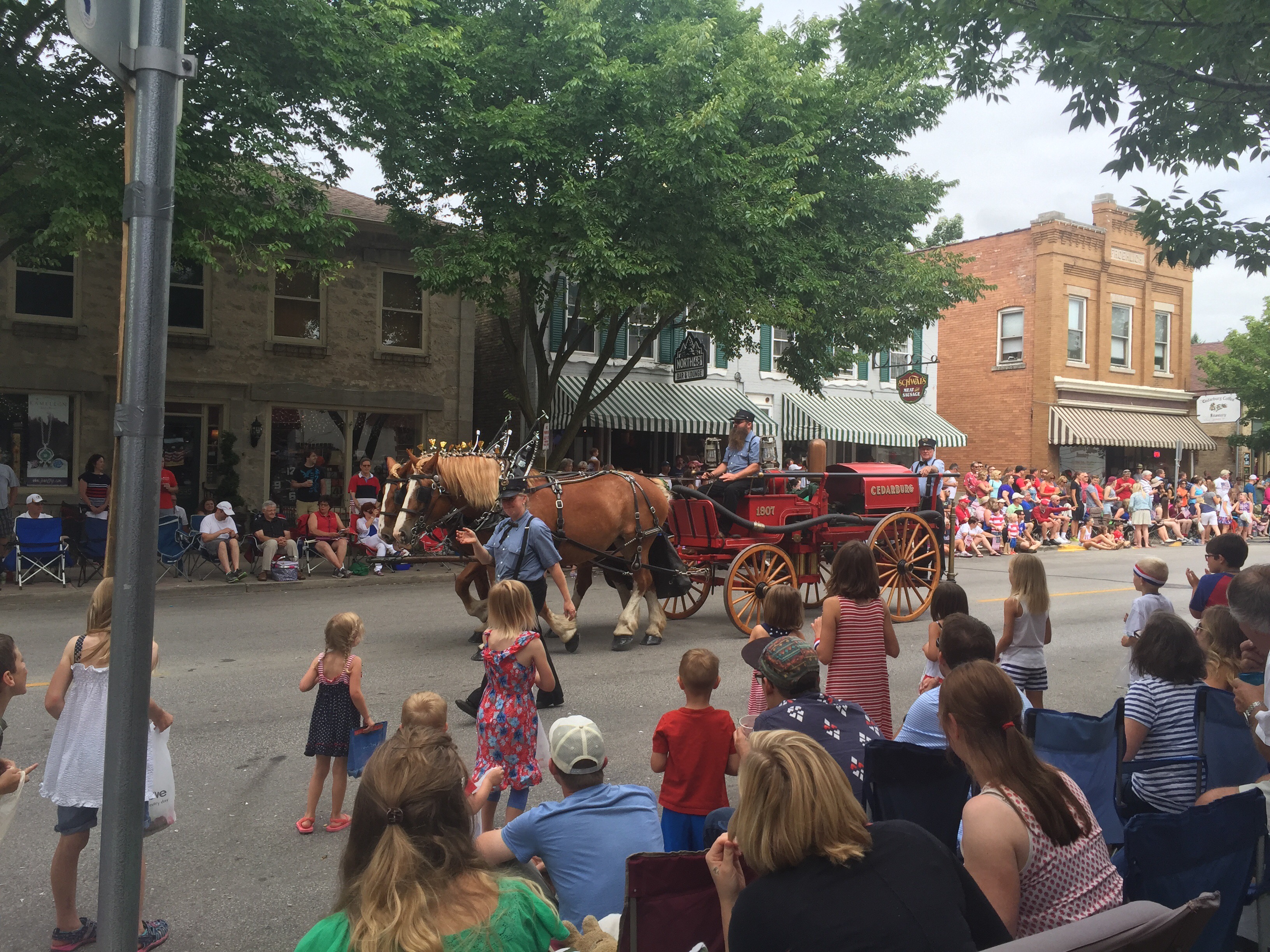
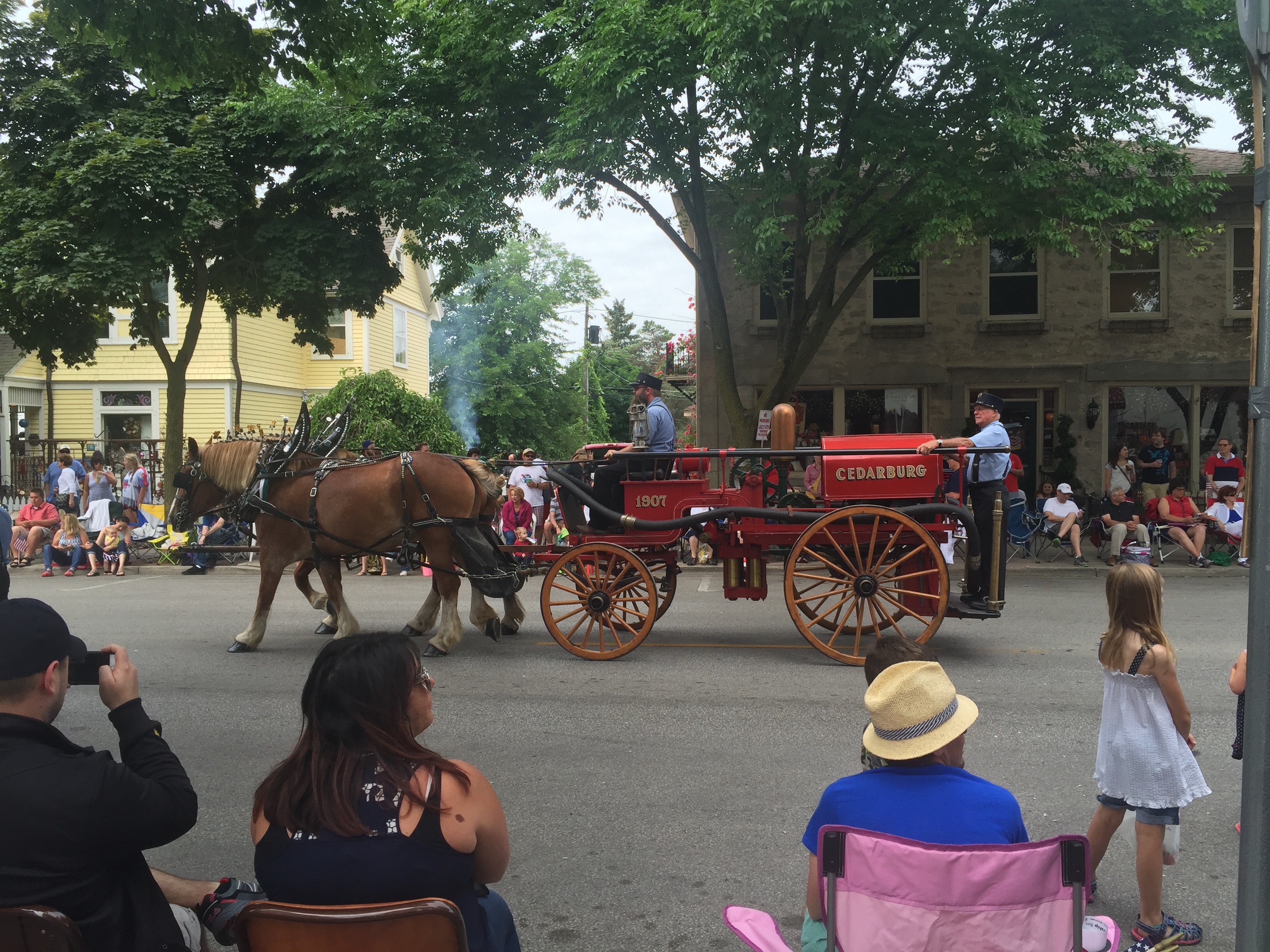
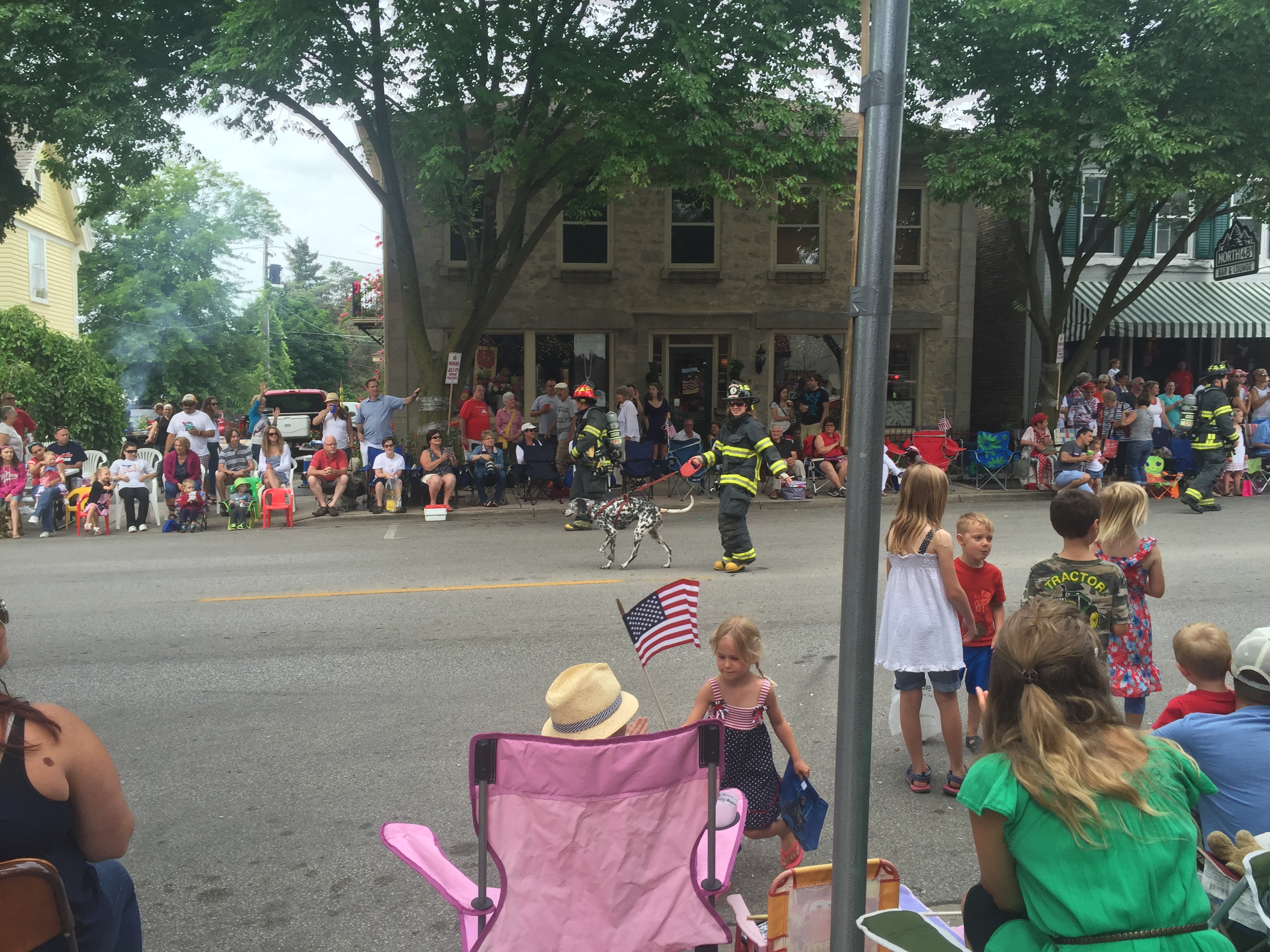
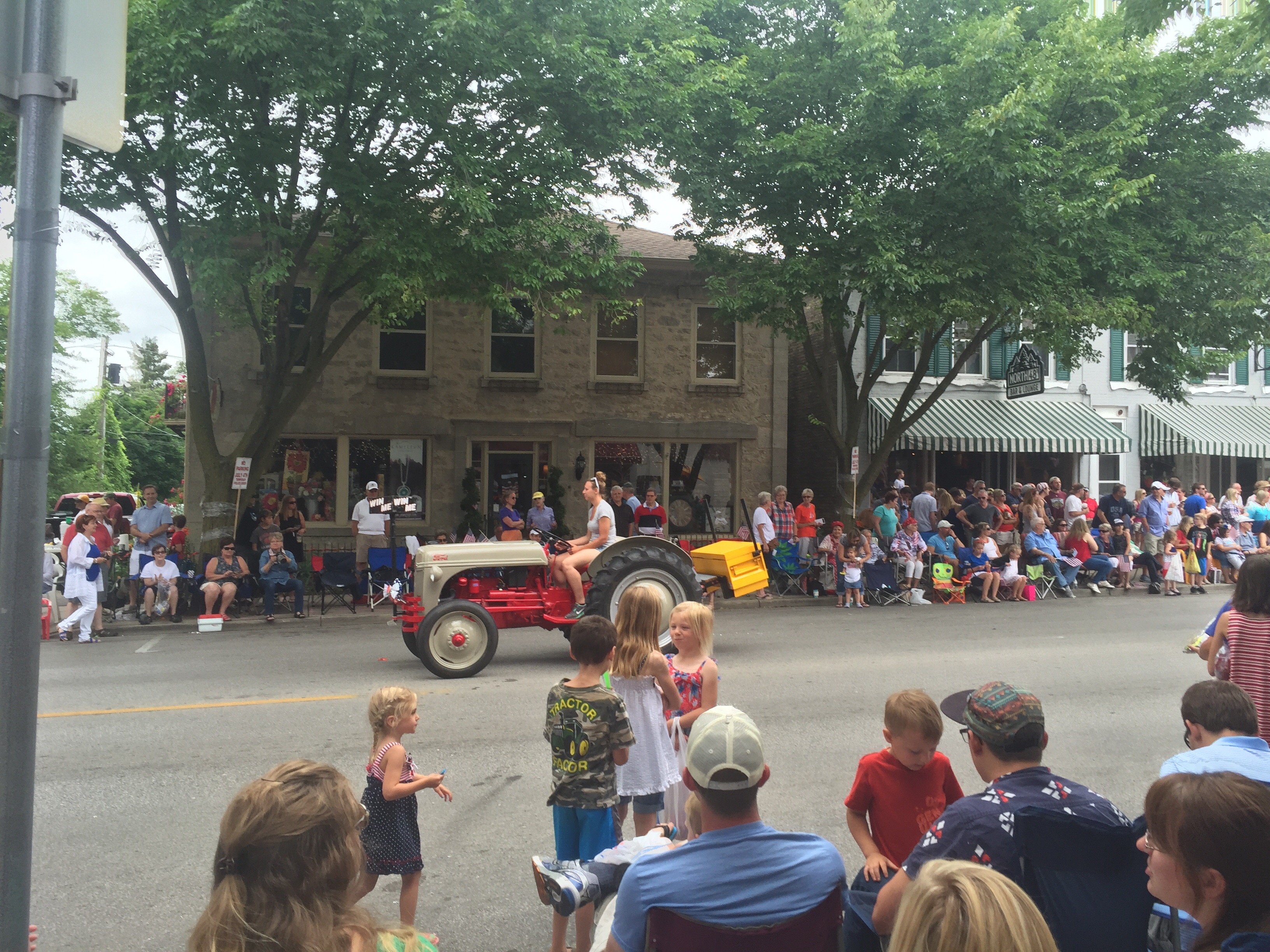
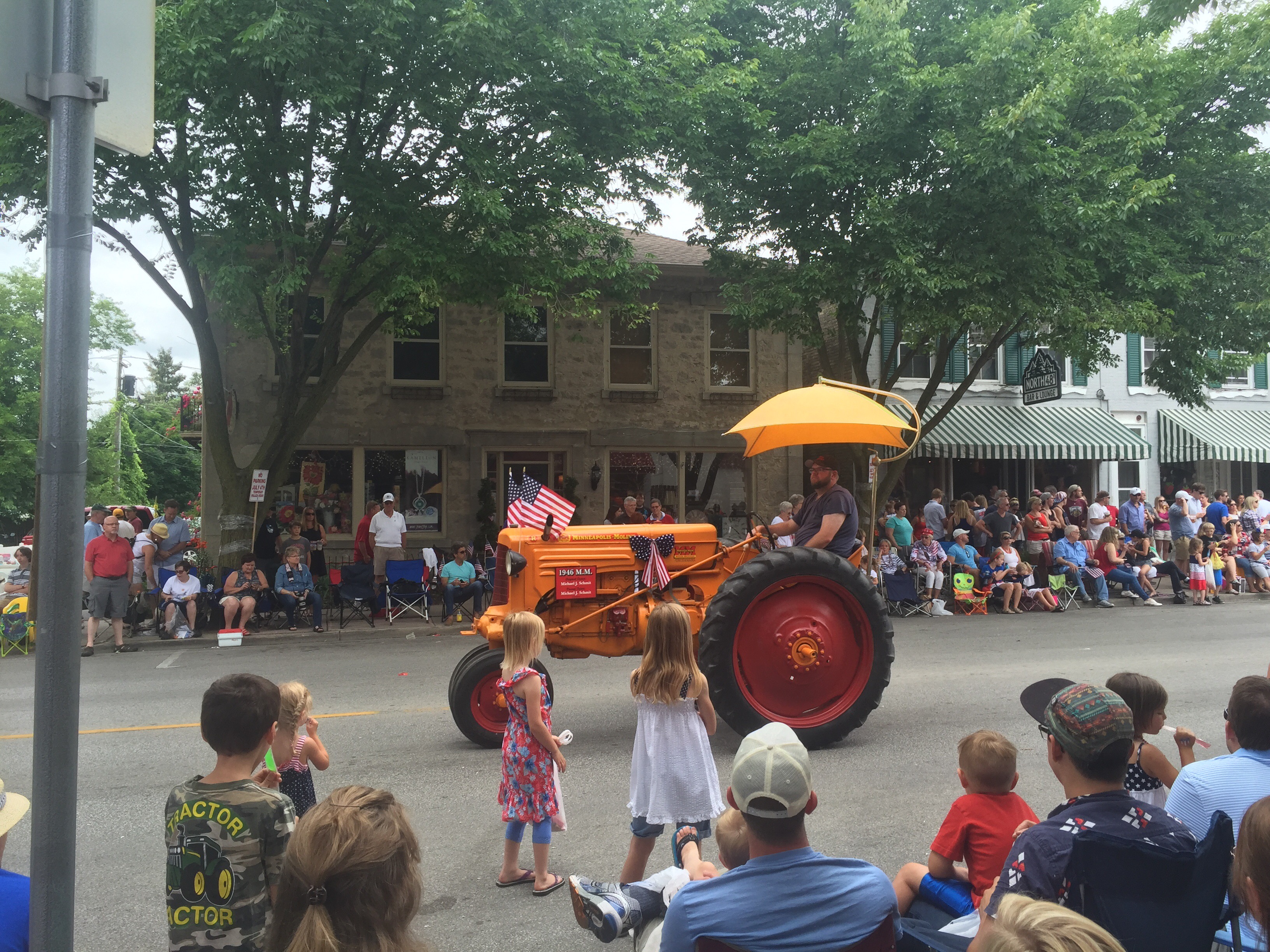
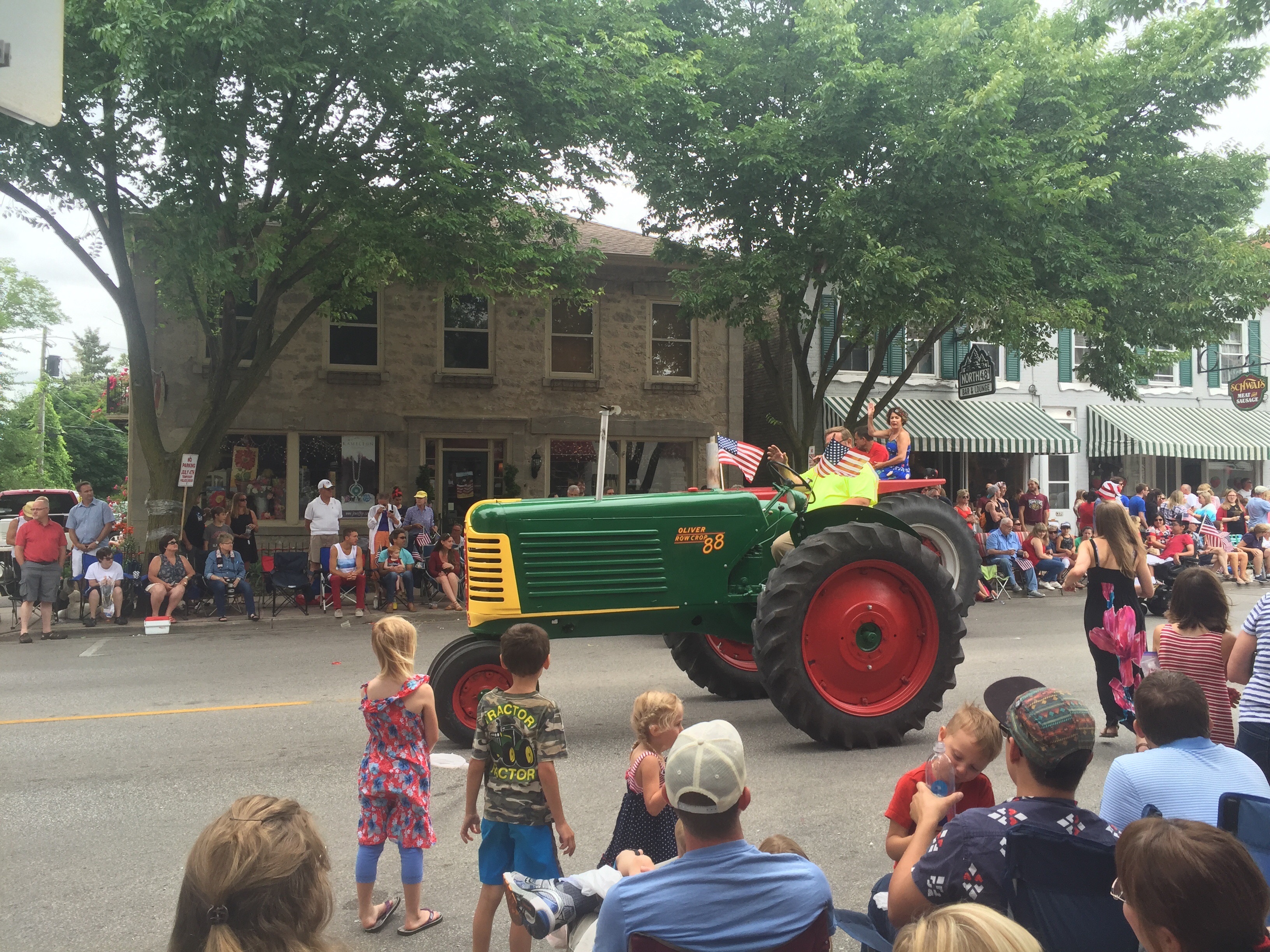
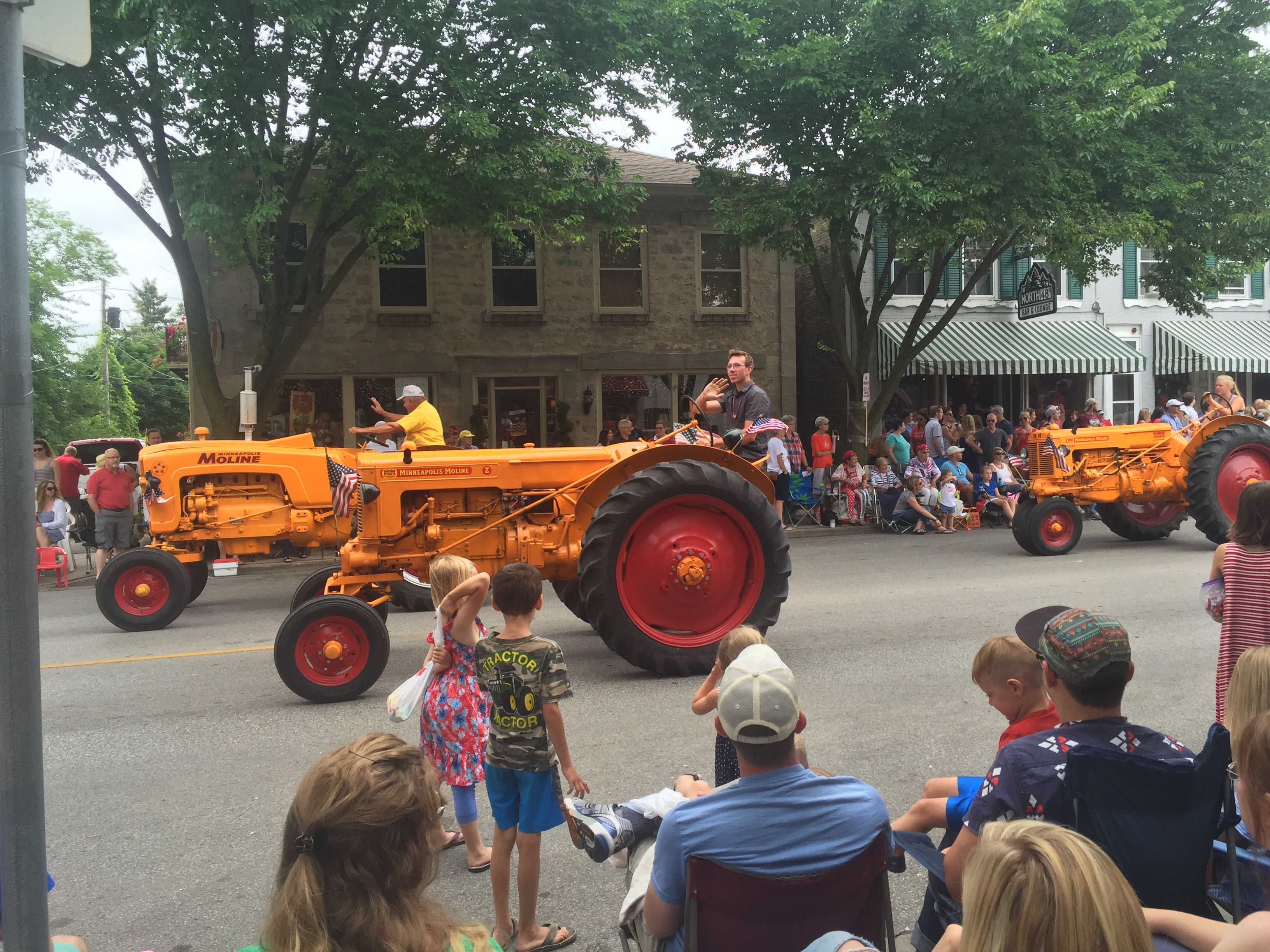
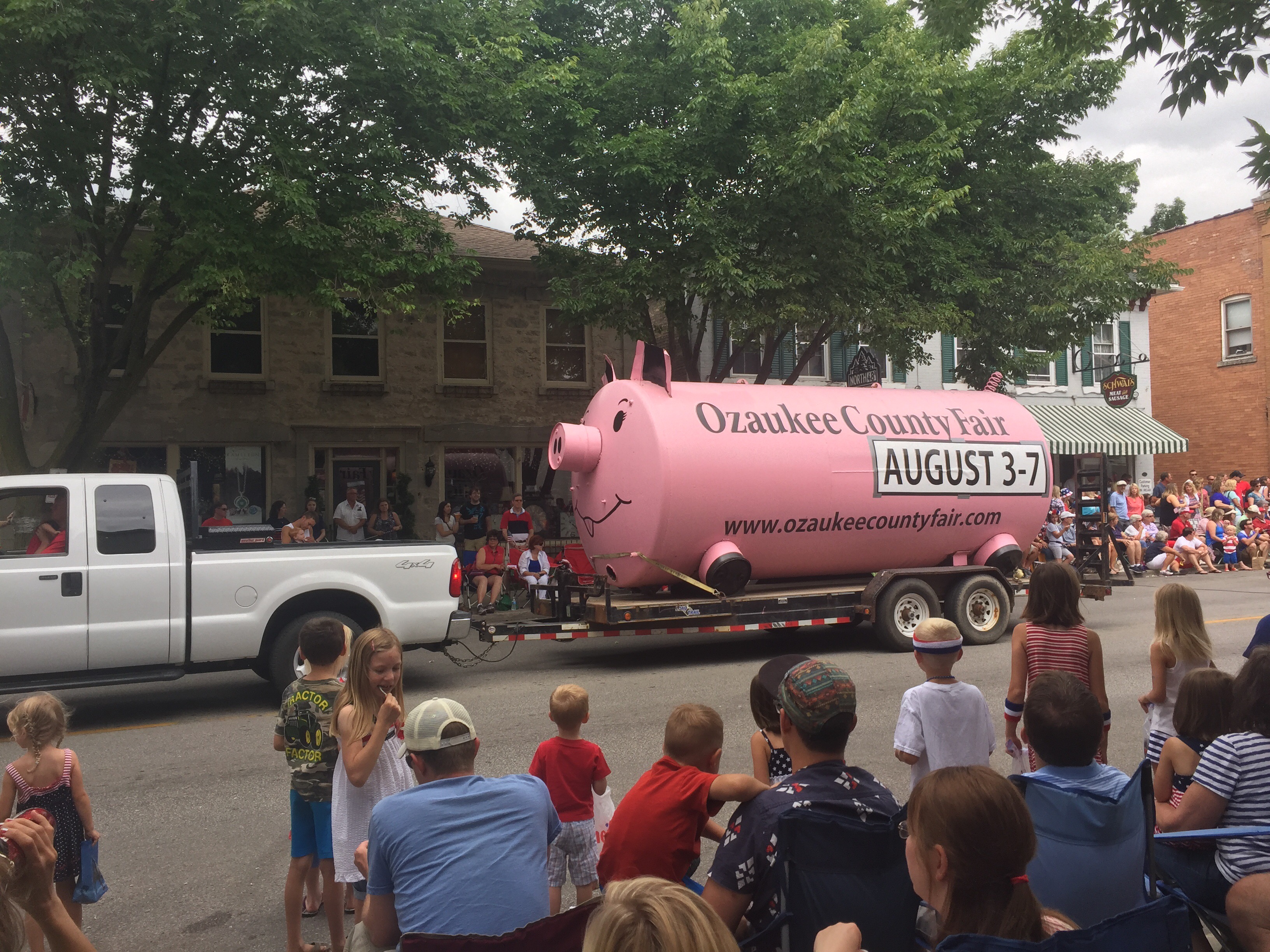
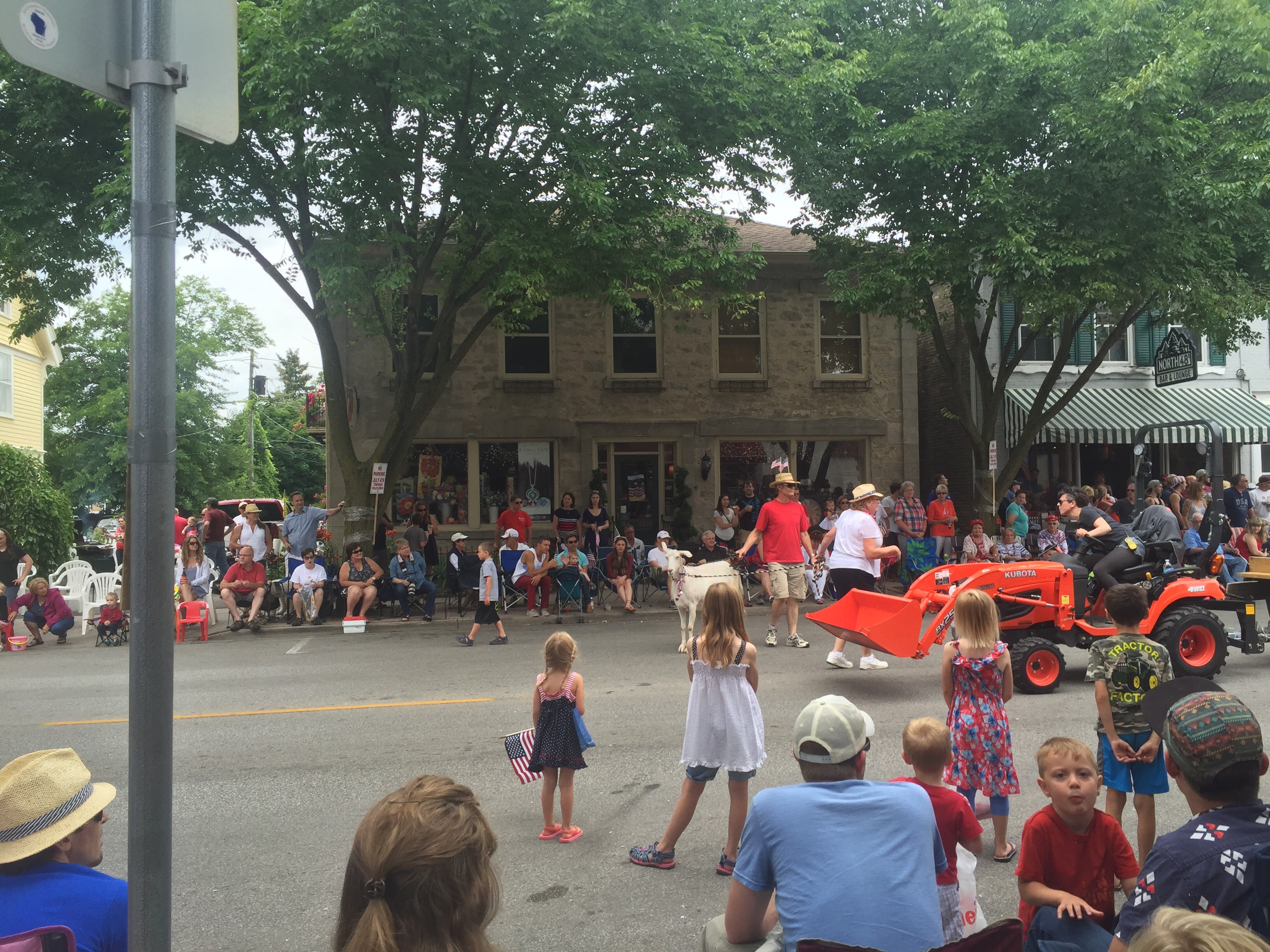
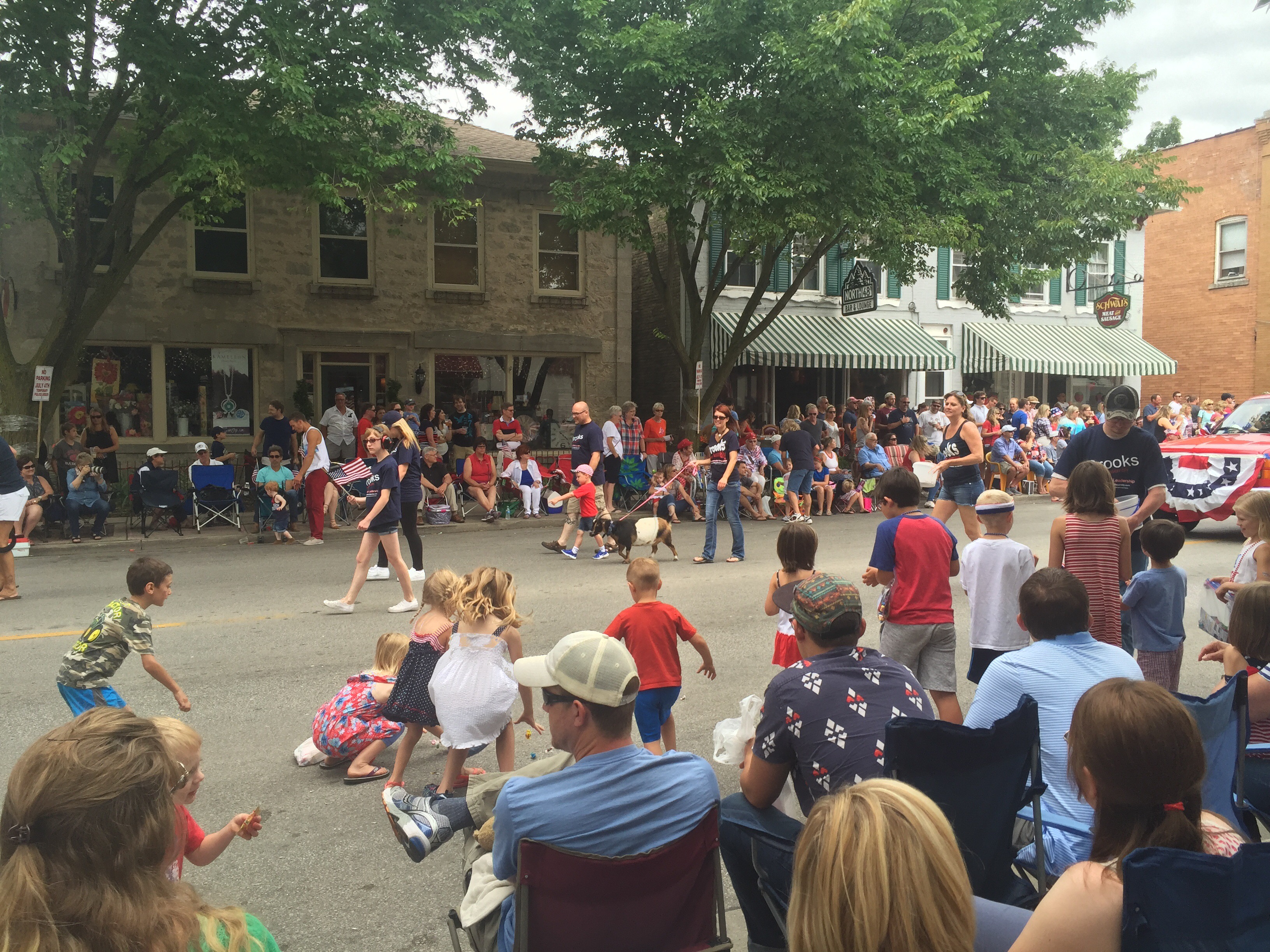
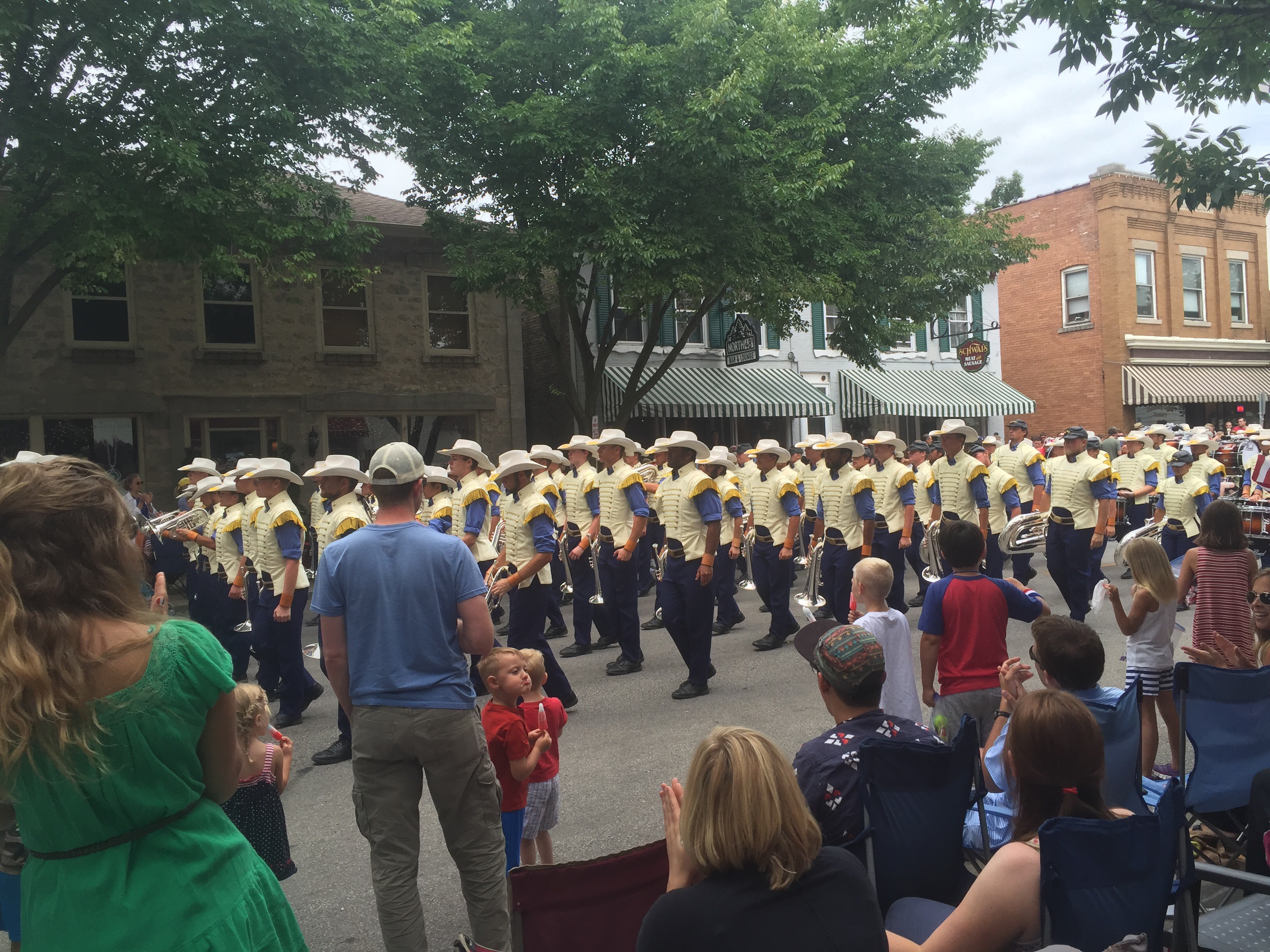
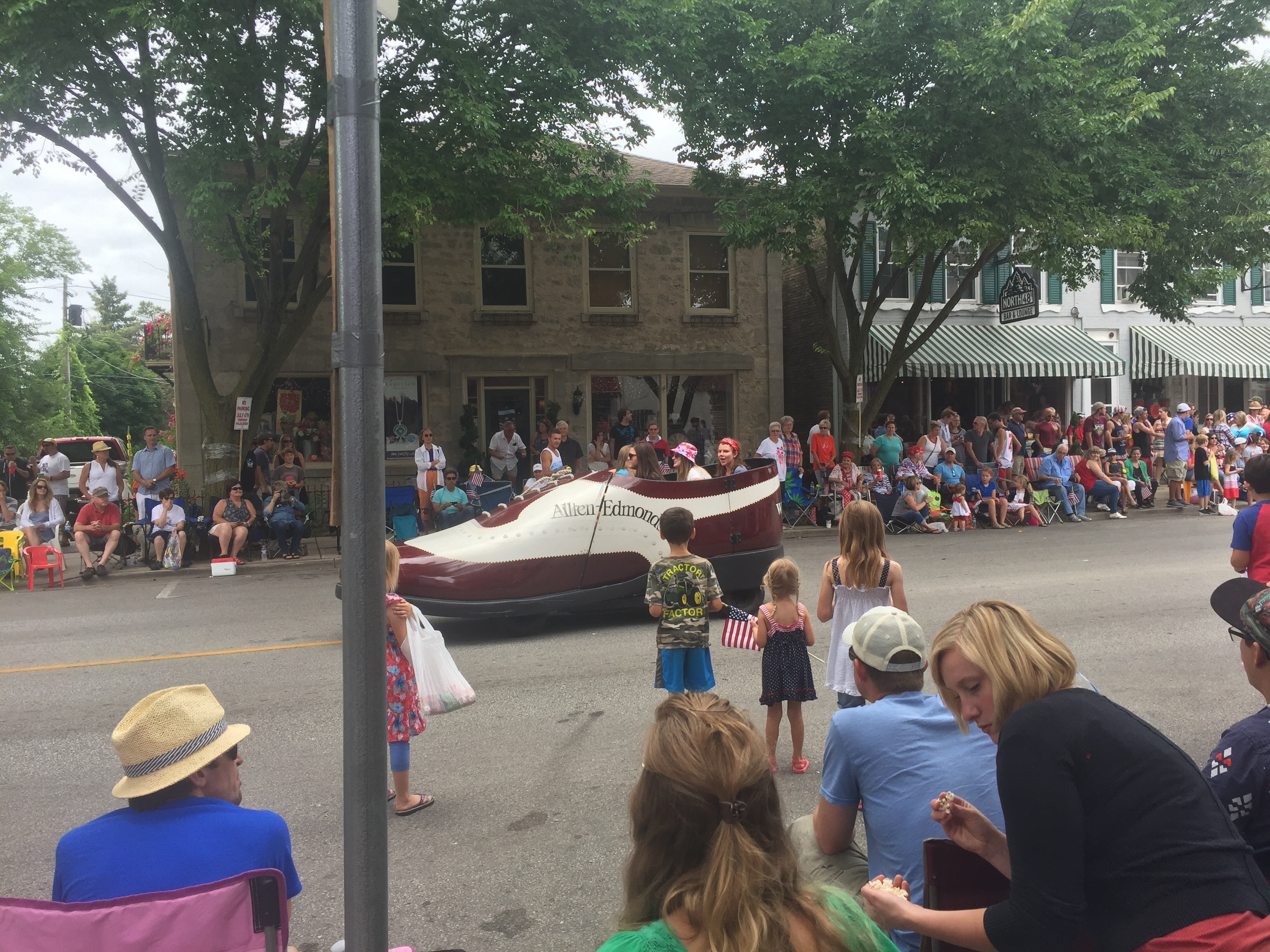
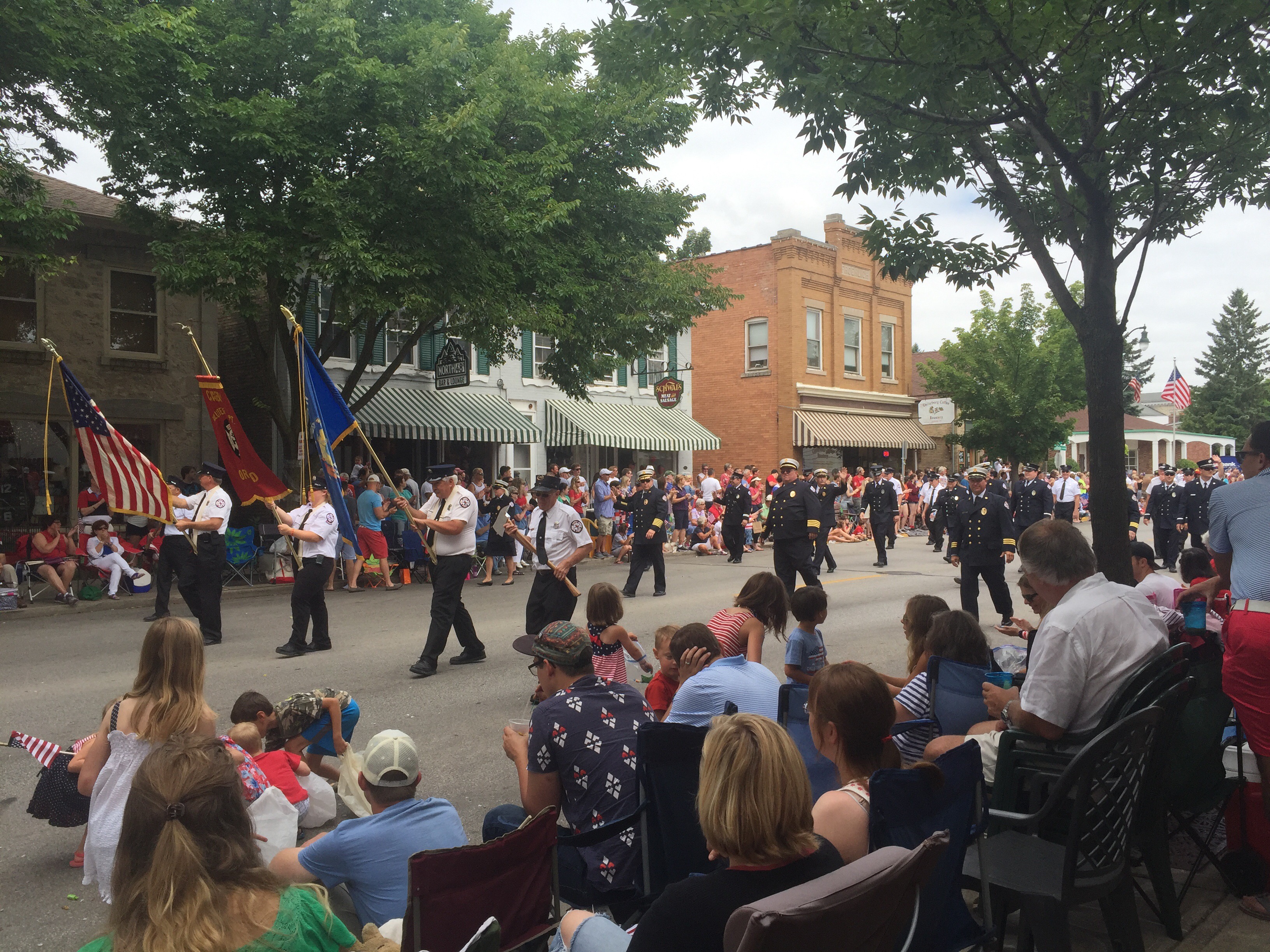
We had a perfect Fourth of July parade with all the proper small town things.

We had veterans of all ages and kinds of service (whose pictures I don’t have because we were all clapping and cheering for them).

We had the volunteer Fire Department marching in crisp blue dress uniforms. ( For whom we also clapped, but I was not wiping away tears so I was able to take pictures.)

We had the vintage fire trucks.

We had the fire department’s dog.

We had the vintage tractors.

Lots of them.

We had the Giant Pink Metal Pig.

As one does.

We had the Boy Scouts.

We had the horses.

And the goats.

And the politicians with goats.

We had the marching bands.

And the giant shoe.

And, of course, we had the obligatory singing dog.


A splendid time was had by all.

From This Time Forward Forever More

John Adams Letter

Because we are working people who have to get up early, we will celebrate the Fourth of July at our lake cottage tonight. That’s ok, because the Declaration of Independence wasn’t actually ratified on the 4th anyway, but on the 2nd.

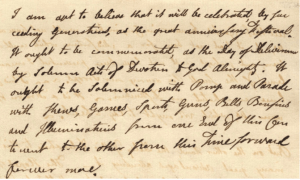
It was my favorite founding father, John Adams, whose idea it was that we should celebrate with fireworks. In a letter to his wife, Abigail, he wrote:

But the Day is past. The Second Day of July 1776, will be the most memorable Epocha, in the History of America.…

I am apt to believe that it will be celebrated, by succeeding Generations, as the great anniversary Festival. It ought to be commemorated, as the Day of Deliverance by solemn Acts of Devotion to God Almighty. It ought to be solemnized with Pomp and Parade, with Shews, Games, Sports, Guns, Bells, Bonfires and Illuminations from one End of this Continent to the other from this Time forward forever more.

We will all take turns reading the Declaration of Independence while our neighbors arrange for a spectacular private fireworks display.

It’s a day to celebrate.

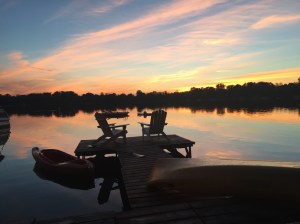
Lake sunset before the fourth

The Calm of the Lake before Fireworks Armageddon


Small Bursts of Grief

It’s a perfect summer day, and we were walking back to the cottage after a swim.  I asked my husband: Do you ever find, right in the middle of a normal day, that you feel a sudden burst of grief for your parents?

He didn’t even look back. “Well, it is Father’s Day.”

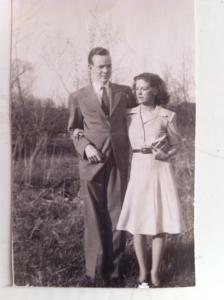
My father, Hugh Riordan, and my mother, Ethel, while they were dating.

My father, Hugh Riordan, and my mother, Ethel, while they were dating.

 What follows is the eulogy I delivered at my father’s graveside. My dad never lived to see me as an author, but I know he would have been proud of me. That’s what fathers do.

I miss him every day.

It may seem a little strange to find a Brooklyn boy here in a remote country churchyard. Daddy was a man of sophisticated tastes, well-travelled in the world. As a boy, his mother took him every Saturday to the Metropolitan Opera. In his early years, he rode the subway every day to school. But there was always a rural thread in his life. Brooklyn was farm country in the 1920’s, and he spent his summers in Mill Rift, Pennsylvania, a small town with rushing falls and gentle mountains, and several vacations he worked on a farm.

I have always been proud of Daddy. Proud of his intellect, his accomplishments, and his dignity. I have never known anyone else like him; he knew the answer to every question, he could fix anything, he remembered everything. His interests ranged from science to poetry and music. He is literally the only person I ever met who read Einstein for fun. When he was recovering from his first major illness, we knew his brain was undamaged when he commented on the Monet hanging across from his bed.

He was a brilliant engineer, whose inventions advanced technology, saved lives, and helped in the defense of his country. Above all, he was a man of impeccable integrity. That is a rare thing.

I am indebted to him not just for his love and support of me throughout some of my more wretched moments, but for the gifts he gave me. Almost everything I love in life, I learned from him. From Daddy, I learned to love music and literature, to care about reason and rational thinking, to value education and languages, to be a patriot, and to love freedom, and perhaps most important, I learned my insane passion for dogs. I guess we all did.

When Brian and I were talking this morning, he reminded me that for all Dad’s affection for his Mercedes Benz–a car he cherished, coddled, and fiercely protected from the rest of the family–he drove it into a ditch and wrecked it to avoid hitting a groundhog on the road. He was not a demonstrative man, but he was tender-hearted. He loved to be hugged, and beneath his quiet mask he was extraordinarily affectionate.

Of all the places he had lived, he loved Wisconsin best. I think it was partly because the German culture seemed familiar to him, like the households of his German grandfather and uncle, and partly because he admired the simple integrity of the people here. He liked farmland and the animals, and he saw cities as places that corrupted lives and culture. For all his accomplishments and education, he had no pretense or snobbery. He was a good man who lived a simple, honest life. And it seems exactly right that he should rest here, among settlers and veterans, underneath tall trees.

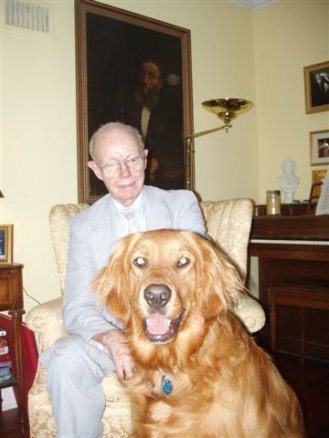
My father, H. E. Riordan, and his favorite dog.

My father and his favorite dog, Rudy.


What Writers Do When They Should Be Writing. A List

Screen Shot 2014-03-02 at 3.02.09 PM

  1. Decide to take dogs for walk.
  2. Look for sunglasses in purse.
  3. Go outside to see if sunglasses are on porch.
  4. Talk to neighbors for two hours over fence.
  5. Look for sunglasses on bedside table.
  6. Pick up t-shirt on bedroom floor.
  7. Notice box of new beach towels in guest room.
  8. Put away  new beach towels.
  9. Look for sunglasses in car.
  10. Make grocery list.
  11. Recharge computer.
  12. Check e-mail. Nothing from anyone.
  13. Look for sunglasses in tote bag.
  14. Wonder if sunglasses are still at bookstore from last night.
  15. Call bookstore.
  16. Wonder if sunglasses are at restaurant from last night.
  17. Call restaurant.
  18. Look for sunglasses in car again, focusing under seats.
  19. Talk to friend on phone.
  20. Look at plot map. Notice holes in plot.
  21. Ponder death.
  22. Empty purse on floor looking for sunglasses. Find emptied bottle of zinc tablets in bottom.
  23. Clean out purse. Pick off lint from zinc tablets. Return to bottle.
  24. Accidentally call book store from last week. Chat with proprietor.
  25. Decide to write blog post.
  26. Look for sunglasses in car again, focusing on trunk.
  27. Stare at blog screen.
  28. Send irritable e-mail to online company who keep sending surveys that flash at you when you’re trying to think.
  29. Look for sunglasses in tote bag again.
  30. Find two day old NY Times in tote bag.
  31. Do crossword puzzle in NY Times.
  32. Walk path from car to door, hoping to find sunglasses in grass.
  33. Rub tummy of Dog One.
  34. Stare at blog screen.
  35. Rub tummy of Dog Two.
  36. Look for sunglasses in different tote bag. Find sunglasses.
  37. Resolve to carry fewer tote bags.
  38. Don’t write a single thing all morning.
  39. Decide it’s too hot to take dogs for walk. Swimming would be better.
  40. Look for sunglasses.

Something You Don’t See Every Day

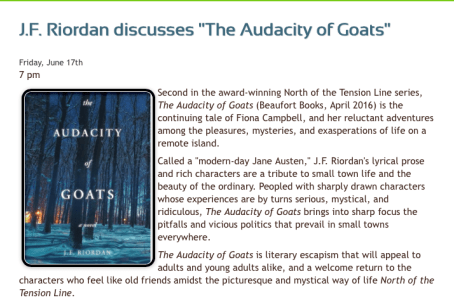
So, I had a book event for The Audacity of Goats at “A Room of One’s Own” in Madison on Sunday. People came, which is always nice.

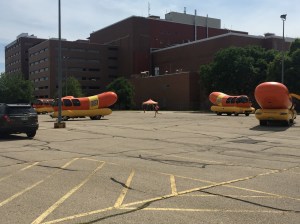
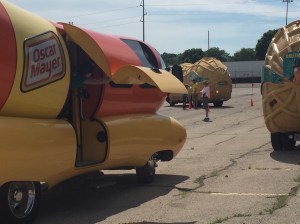
But my own event notwithstanding, and apparently, unbeknownst to the general public, it was Food-Shaped Vehicle Driver Training Day at the Oscar Mayer plant.

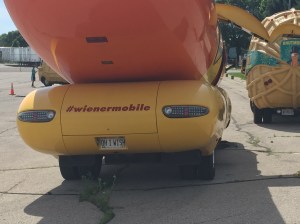
IMG_1665IMG_1668IMG_1670

Note the license plate.

IMG_1671

There were also Mr. Planter’s Peanut vehicles, because, as every school child knows, it’s Mr. Planter’s 100th anniversary this year.

We asked one of the drivers about it, and he explained that there are only three peanut vehicles in the world. Since we hadn’t known that there were any, this came as a surprise.

“Are peanuts difficult to drive?” we asked.  He grinned. “It’s nuts!”

I imagine he’ll be saying that a lot this summer.


Not Judging Books by Their Covers

the_road_into_the_field_199302

I had car trouble yesterday on my way to a signing in Door County. I was tooling along at 70 in the pouring rain, when all of the sudden there was some catastrophic electronic failure. Every dire warning sign flicked on the dashboard. I lost my brakes, I lost my power steering, and the engine began to buck. Fortunately, I was close to an exit in civilization-which for our purposes here means a place with a Mazda dealer only a few miles away–and was able to coast and manhandle the car down a ramp, through a roundabout, and into the parking lot of a minimart.

I hate roundabouts. I mean, I hated them before, but in this case it was lucky I didn’t have to stop. I could just keep coasting.

When I pulled up next to the building out of the way, all the lights in the dashboard went out, and I couldn’t turn off the engine. I had to go inside to figure out where I was so I could tell the tow truck where to come, and normally one doesn’t leave a running car unattended. But what the hell, I thought. It’s not as if anyone could drive it away.

None of this is the point of the story, but I kind of wanted to tell it.

The tow truck showed up in about ten minutes, to my surprise and relief. We were going to be cutting it a little close for me to get to my event, and I was having a hard time figuring out how to explain to the bookstore proprietor–my friend, Peter–that all his planning was going to be for an author-less book signing. I called my husband, who was speeding in my direction to rescue me, and told him he could go back.

Anyway–and now we’re getting to the nub of the thing–the tow truck driver was this young, blond guy with lots of tattoos. He was a kind of classic Wisconsin small town guy, complete with the rural accent: decent, trustworthy, competent, grease on his clothes, dirt under his nails. He hooked up my car, and I climbed into the cab of the truck for the ride to the (mercifully) open car dealer who would loan me a car.

I told him that I was in a bit of a hurry, because there was an event I had to be at. What kind of event? he wanted to know. So I told him I was a writer.

“I love books!” he said. “Harry Potter is my favorite, as you can probably tell by these.” He raised his left arm to indicate his tattoos, which I couldn’t really see, but which must have been representative of this passion. “I listen mostly to audio books, though.” He fumbled in his pocket to get out his I-phone while I hoped that he was looking at the highway. “I’ve listened to…” he looked down at his phone to check the exact figure…”two months and two and a half weeks worth of books this year so far.” He then proceeded to talk about his favorites: after Harry Potter, a series of World War I historical novels by Ken Follet, and some other series in a similar vein. He was knowledgeable about history, and he clearly loved stories of heroism and mysticism. He wanted to know if my books were on audio. I told him not yet, but that we were working on it.

“I read paper books, too,” he said. “But with all the driving around, I do mostly audio.”  I kind of doubt that my books are his kind of thing, but so far all my assumptions were being proved false. “Would you like a copy of my book?” I asked. He was enthusiastic.

We got to the dealer, and I dug out a copy of each of my books and signed them for him. We shook hands.

I love thinking about this tow truck driver, wandering around the country roads of Wisconsin, doing this necessary but unglamorous job, the rhythms of different authorial voices accompanying his travels, moved by the heroic acts of protagonists both real and imagined. Along what path will these values take him? How will these stories affect his life and the lives of others? From the seemingly mundane heroism of helping people with broken cars to some other, more dramatic form? Or is it these small daily rescues that give his path meaning?

Maybe he thinks about these things. Or maybe not. Maybe it’s just a job to him, not a mission. But the meanings of our lives may be things we never realize until we’re looking back. Or they could be things we’ll never know.

People are always more interesting than you think.


DOOR COUNTY LAUNCH CELEBRATION

Screen Shot 2016-03-14 at 7.49.41 AM

I will be at Peninsula Bookman tonight, in Fish Creek, to sign books and chat.  Peter Sloma, the proprietor, has been a friend and font of wisdom since we first met a few years ago, and I am looking forward to seeing him–and you–there, from 6-8 pm.

I couldn’t find an inn that would take the dogs, though, so I’ll be traveling on my own.

Sigh.


Radio Interview

“People are very friendly in small towns, but there is a dynamic in life in the small towns that is best understood from an outsider’s perspective,” says Milwaukee writer J.F. Riordan.

Listen to my interview with Lake Effect’s Mitch Teich here .