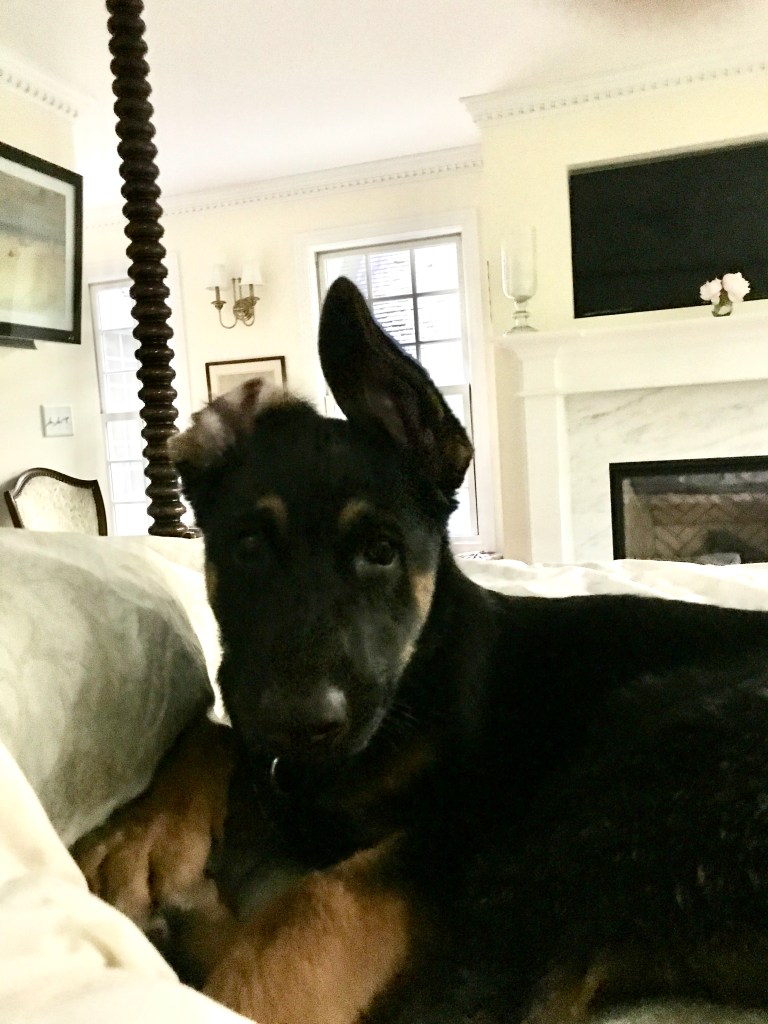
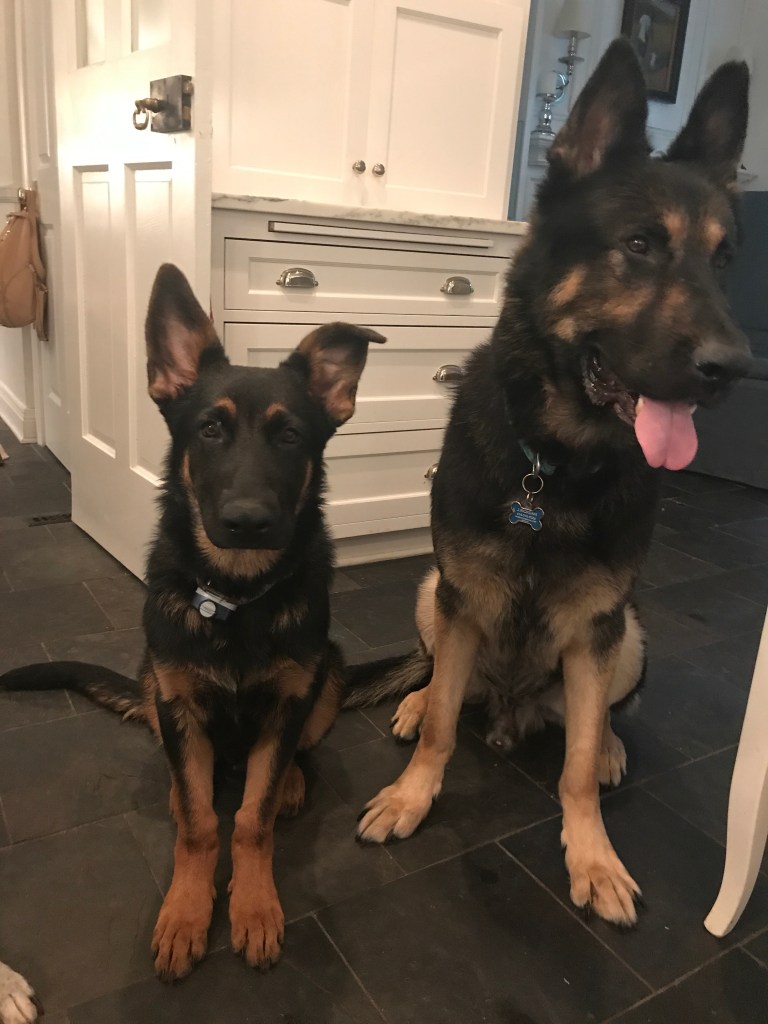
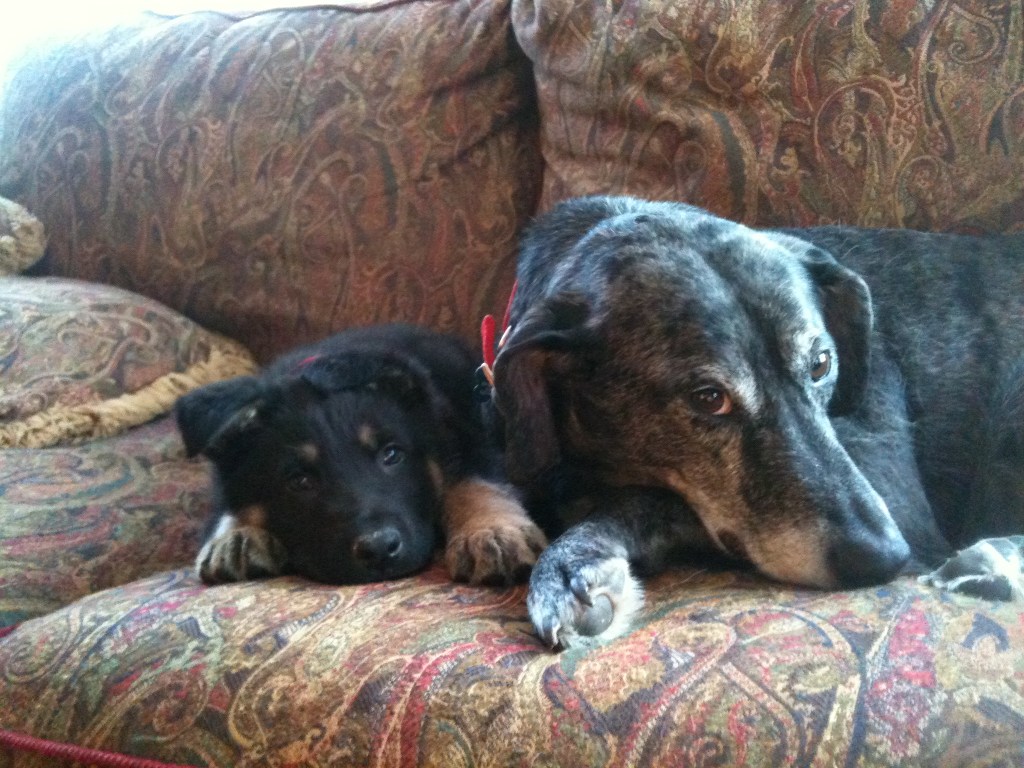
He’s four today. Here are some photos from his first weeks.
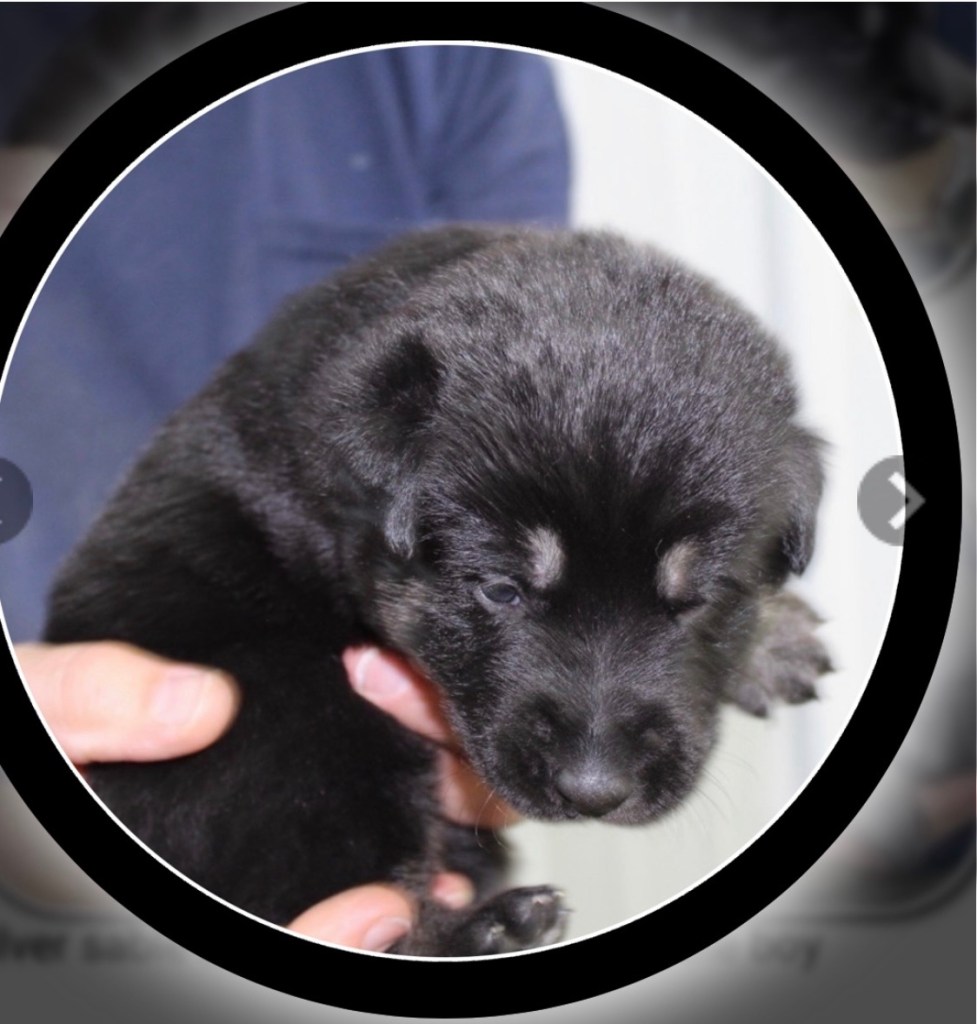
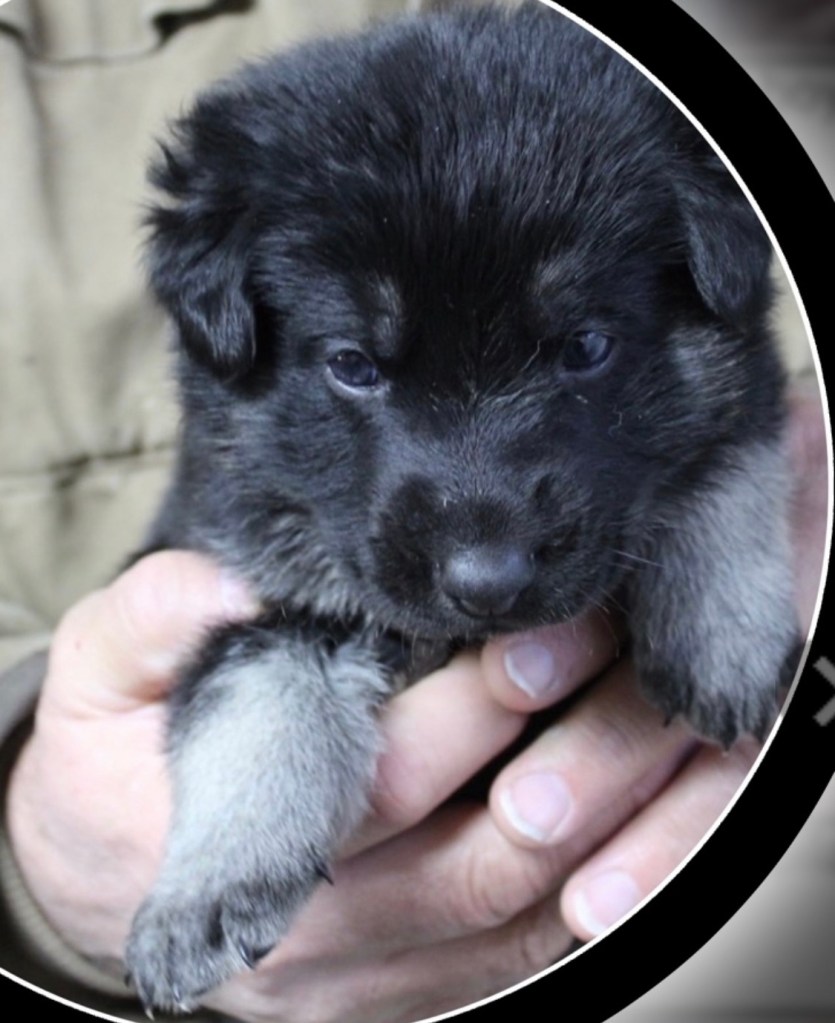
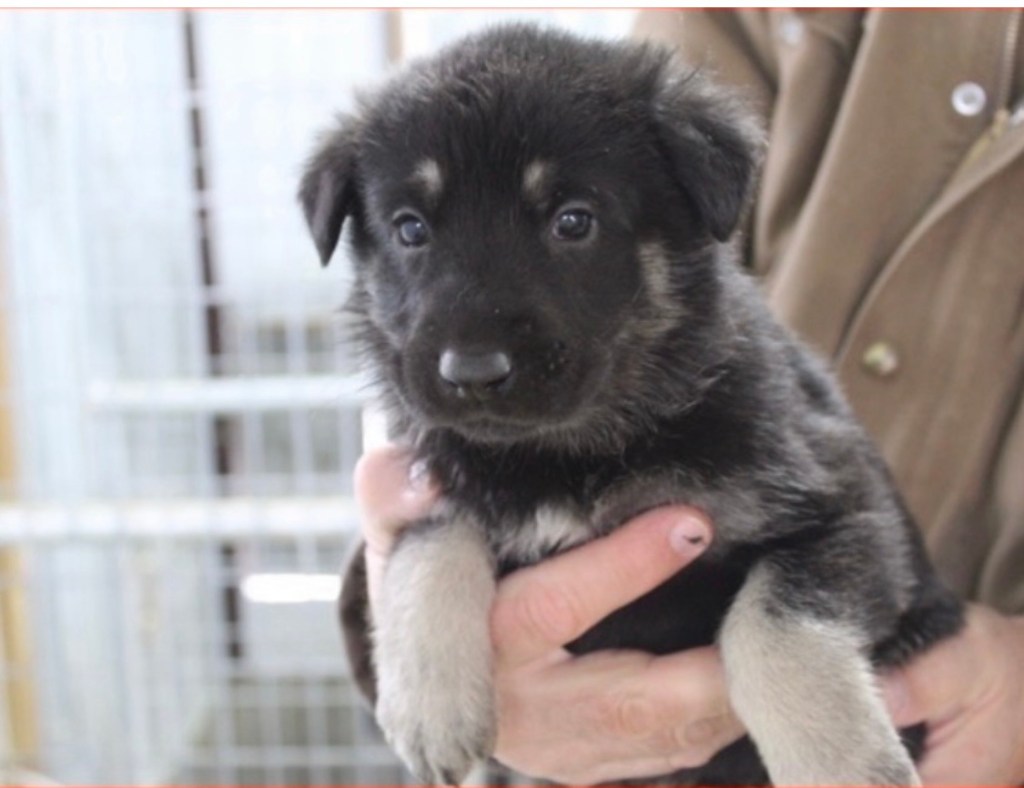
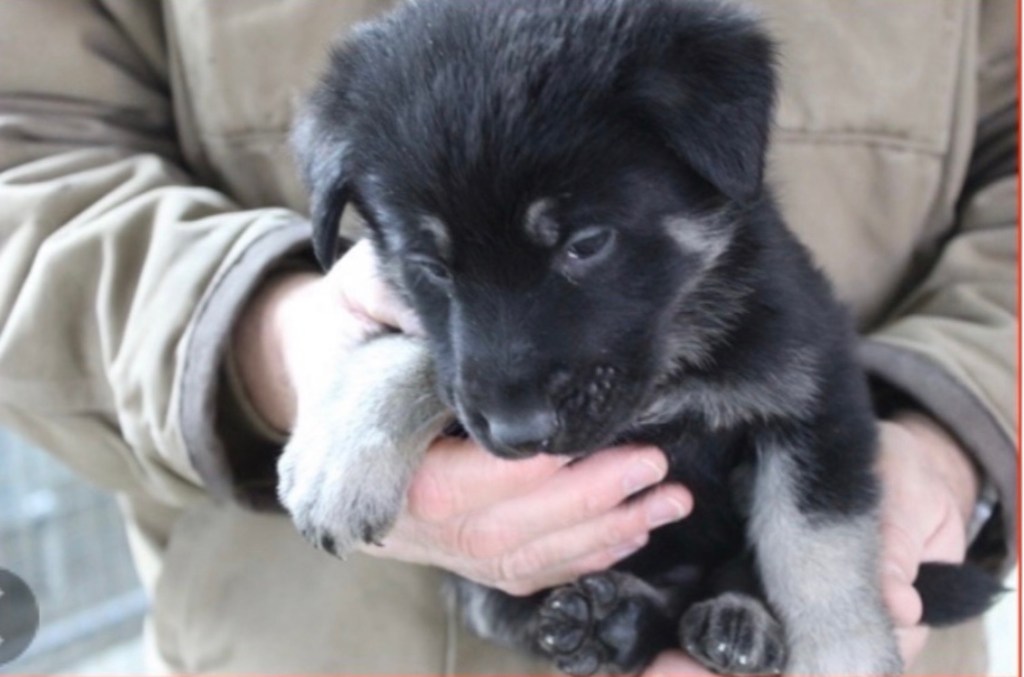
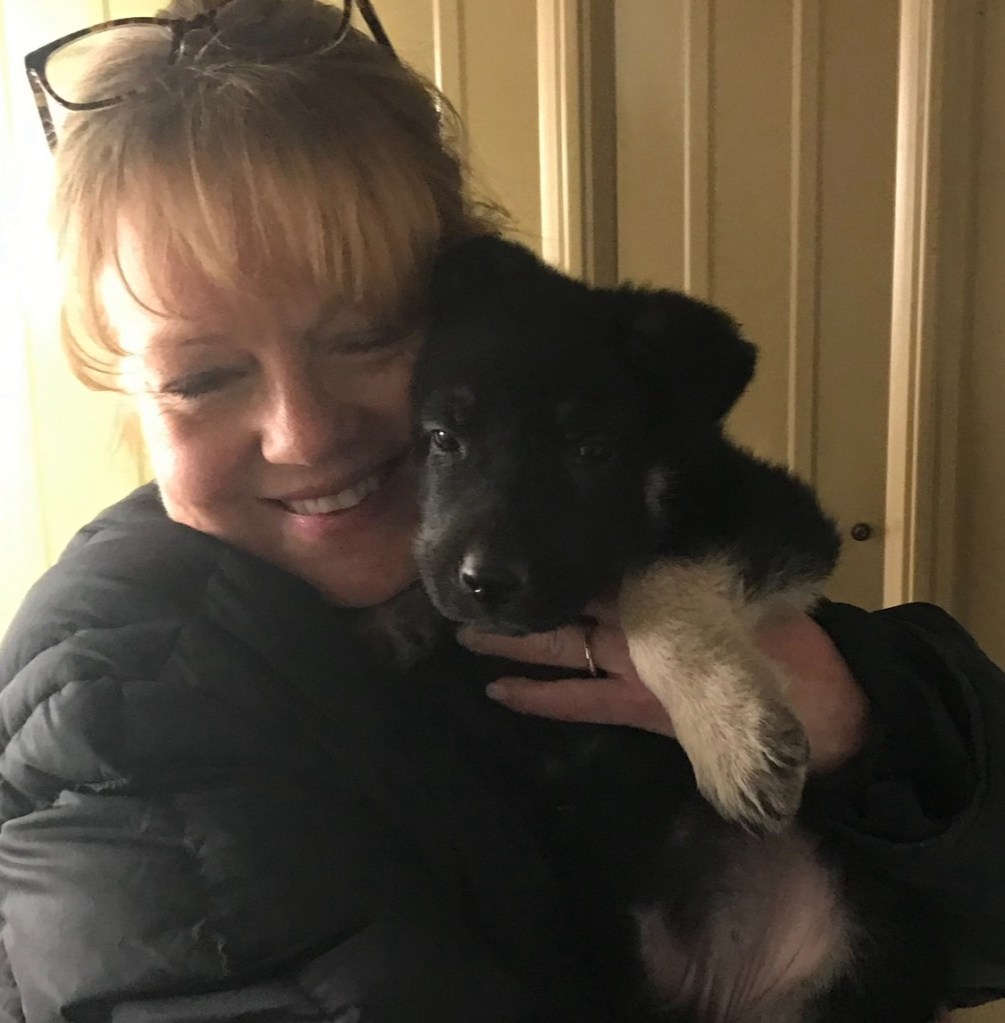
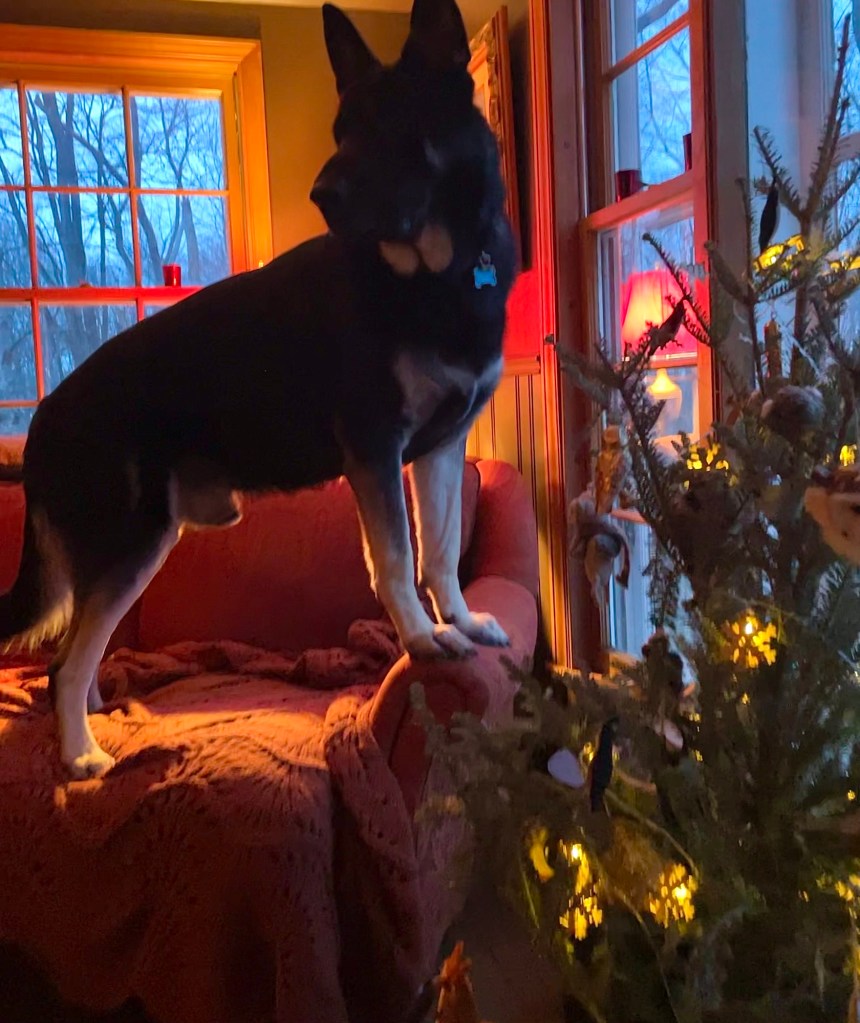
He’s four today. Here are some photos from his first weeks.
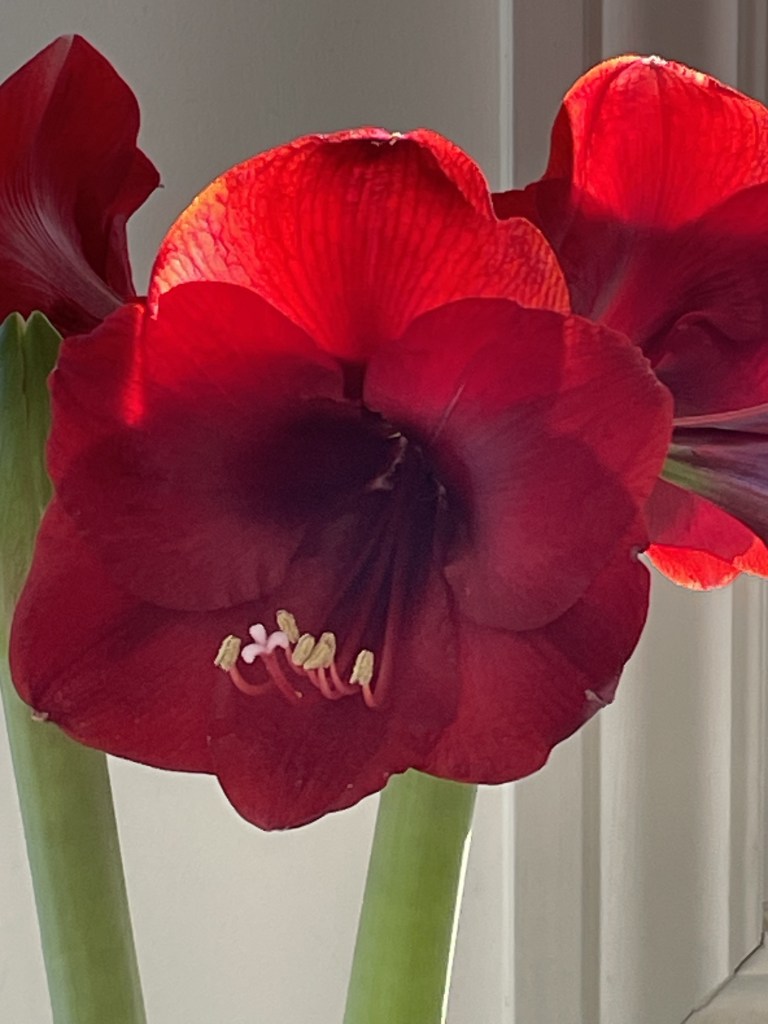
For many women, chocolate is a passion, but I can take it or leave it. My passion is for flowers. There is not a day in my life when, given the choice, I would not choose flowers over candy, and probably over jewelry, too. (But not over dogs.)
I got my love for flowers from my mother. When I was very tiny, she would take me to the vacant lot next to my Grandmother’s house to pick violets. The property was carpeted in purple, and it was almost frustrating to pick, because I wanted to scoop them up all at once, but instead, had to painstakingly reach beneath the big leaves to find the tender stems, one at a time. I remember not being very good at it, which tells me I was probably three at the most, but together we picked masses of violets. I still feel that same frustration when I pick violets, but I never miss an opportunity to have a bowlful in my house. I allow them to grow even though they spread so recklessly in my garden beds. People say mint is bad, but in my little ecosystem, violets are far more aggressive.
My mother also grew zinnias and big purple and pink asters in her garden. I loved the deep, vibrant colors, and the way they jostled one another in a brilliant haphazard jumble. Later, she grew sweet peas, and they grew in a jungle of coiling stems against a big stone wall. She gave me seeds for them every year, but somehow, I never planted them, and now I regret it deeply. The only plant I have in my garden that came from hers is the centaurea montana, a big purple relative of the bachelor button. She and I picked lilacs together every spring, and when she got older, I would pick them for her, filling a large purple vase with them. I planted her window box with geraniums for her, too. She could sit in her chair by the window and look out at them all summer long, and that gave her a great deal of pleasure.
I always have flowers in my house, usually in every room. At the moment I have white amaryllis and hyacinth bulbs growing in a wooden box of moss and ivy on the dining room table; various colors of tulips: orange in the hall and kitchen, purple and white in the living room; orange alstroemeria in the library and purple in the powder room; cut white hyacinths and lilies in the bedroom; and two brilliant red amaryllis on the edge of the bathtub. In the depths of winter I love the contrast of the fragile blooms indoors and the bitter cold outdoors. They make me feel that all is well. I like almost all flowers.
But never give me a poinsettia.
My mother always said that if she were rich she would have fresh flowers and clean sheets every single day. I feel the same way, and I suppose, that–and her tender care for animals—is her legacy to me. Riches, indeed.

Who’s your audience? It’s a question asked of writers all the time. Agents want to know. Publishers want to know. Even book club readers want to know. Most writers know how to gauge our answers to meet our business needs. Of course, to be published, a book needs to meet customer demand. But, to be honest, most of the time that’s only a guess based on what has sold before, and demand can also be created by marketing teams and media campaigns.
So, while I am delighted to have my books published, I don’t think about any of that when I’m writing. I really only write for an audience of one: me.
I write the kinds of books I want to read, and to be honest, while I do read for information, I mostly read for comfort and companionship. When I had high-pressure, stressful day jobs, I didn’t want to come home to read high-pressure, stressful books. I taught in the inner city. I didn’t want to read about suffering, murder, crime, drug use, and lost opportunities. I lived with that every day. When I moved into an executive position, I still spent a great deal of time thinking about human misery and how to help alleviate it. Again, I was often in the inner city, visiting schools, homeless shelters, prisons, half-way houses, and addiction centers. I also had many uplifting experiences in the fine arts world, to be sure. But what hung with me was always the human traumas that went on before my eyes every day.
I don’t think I’m alone in that. Many people have intense, exhausting, high stress jobs. And some of them find catharsis in reading about intense things, perhaps because at the end of a well-written book, there can be a release of the built-up strains.
But that’s not for me. I want to go to a world where there is a group of characters who feel like friends I can hang out with. I want to look deeply at the small miracles of daily life. I want to feel enmeshed and revived by the creativity and joy of an ordinary day. And so, both in the novels I write, and in my books of essays, I linger on the hope, the joy, the beautiful and all the ways in which frustrations, unkindness, and misery can be diminished—although never eliminated—by the way we focus our attention.
And so, when I’m writing, my incentive is the pleasure I take in joining the worlds I’ve created. I write (mostly) about characters I want to be with, who live in a world I enjoy being in. Maybe that’s selfish. I don’t know.
But honestly, I don’t know any other way to write; I don’t think I could write a horror story if I had to. “Write what you know” is the old adage, and I really don’t think there’s any better advice. Luckily, based on my readers’ comments, the kinds of books I like are also liked by other people. And that’s a pretty good system, I think.
So now, if you’ll excuse me, it’s time to go hang out with some old friends.
Cheers.
***
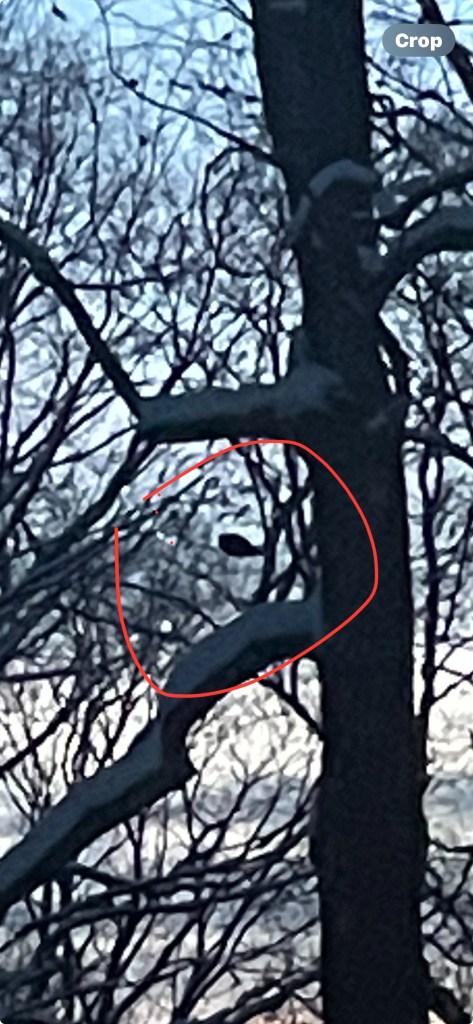
Many of you couldn’t find the turkey in the photos yesterday. That’s because I don’t have a good zoom lens. But here’s the best I can do.

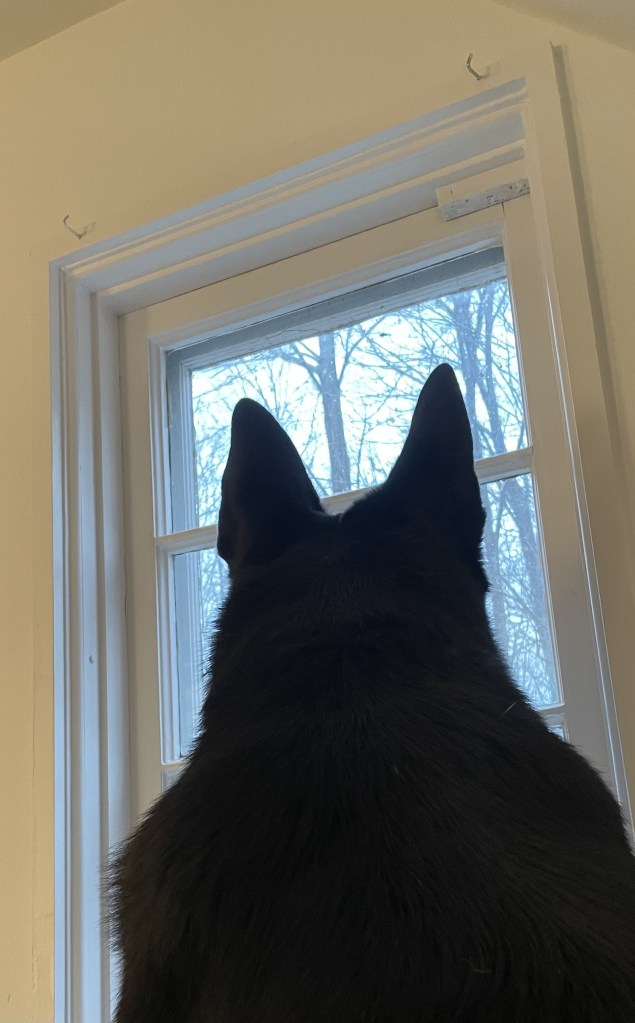
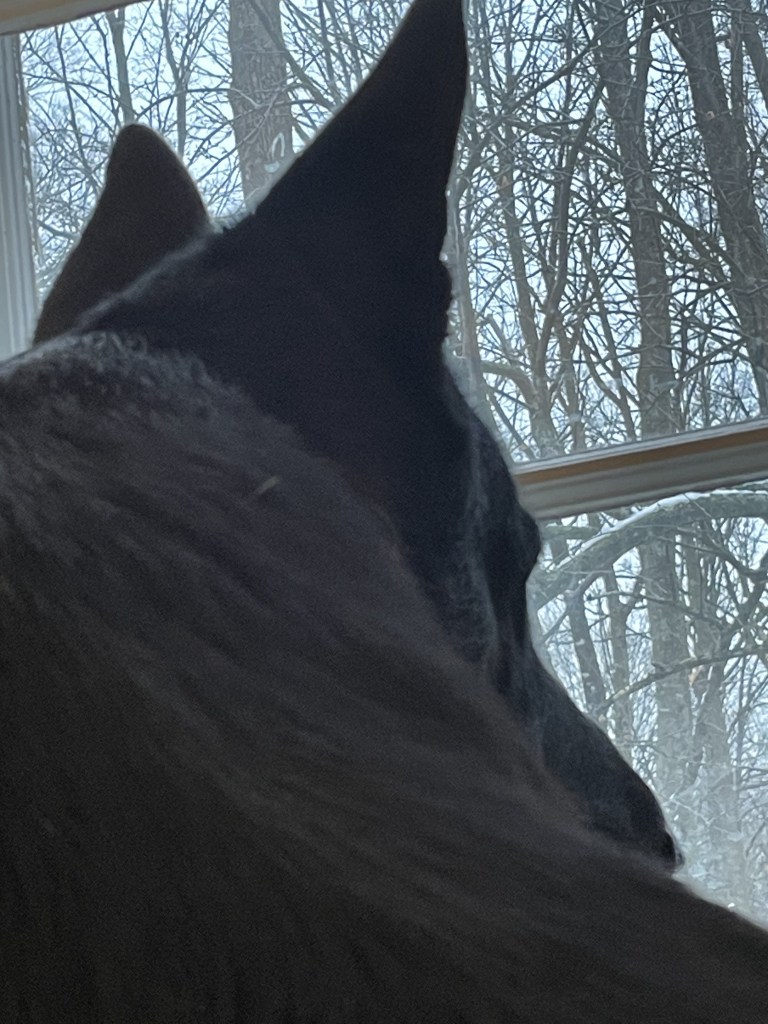
There’s a moment in the life of every German Shepherd puppy when, somewhere around five to eight months old, their ears are permanently up. Until then, they have adorable floppy ears, and for weeks, as they grow, there’s a one-day-up/next-day-down process which is both fun and suspenseful. For some individual dogs, the ears never fully stand. I don’t know if it’s genetics, nutrition, or a lack of ambition. Some owners obsess about whether their dog’s ears will stand straight, but it doesn’t matter to the dog, and it shouldn’t matter to anyone who loves him.

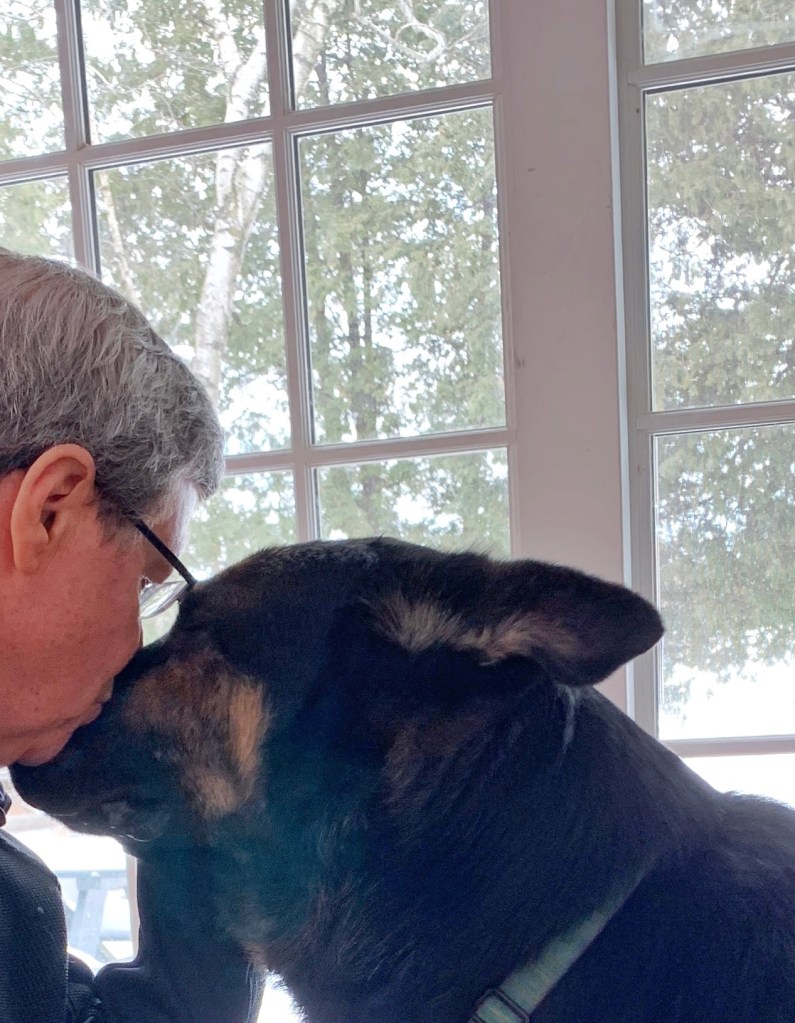
German Shepherd ears are not merely for hearing. They are deeply sensitive instruments of expression and state of mind. If he is showing pride, joy, or dominance, his ears are straight up on the top of his head, slightly rotating to take in data like a space radio telescope. If he is running fast, or swimming, his ears lay flat for aerodynamic advantage. If he is submissive or doubtful, the ears slide down the back of the head. The ears slide back and flatten completely in extreme situations, particularly if he is demonstrating love. A mama GSD will flatten her ears when her puppies approach, perhaps to show she is receptive to their feeding. We call these “love ears,” and we see this daily with our own guys when they want a scratch or a kiss. A fearful German Shepherd will also flatten his ears, and, like any dog, his tail will drop.
Moses, who was the only musical member of my pack, also laid his ears back and stomped his front feet while singing. He loved to sing.
In my experience, no German Shepherd likes his ears touched. Unless you have a deep personal relationship with him, don’t even try. If you belong to a German Shepherd, he may enjoy being touched on his ears, but only when they are flat, or, with my dogs, if they know you are protecting them from a biting insect. German Shepherds will do almost anything to please those they love. But, unless there is life-threatening cold, do not ask them to wear a hat, a hood, or a costume that covers their ears. They will mope and become so depressed you will want to rip your heart right out.
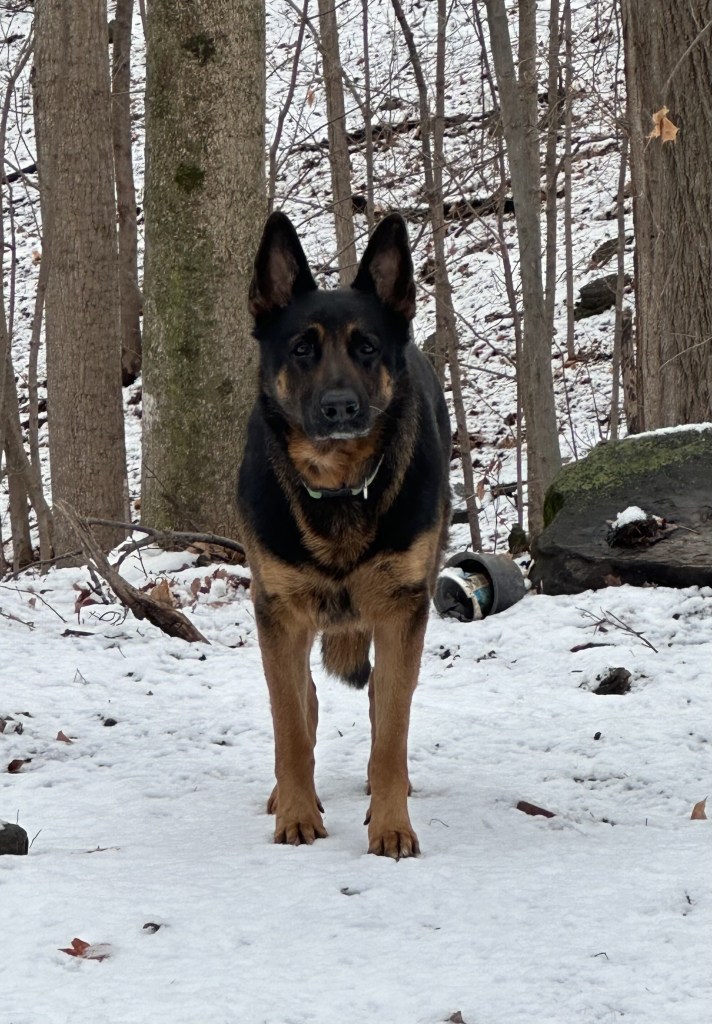
Auggie is a particularly energetic and proud German Shepherd, and has always kept his ears ramrod straight unless in situations as noted above, but also when he plays his favorite charging game. Then, he will wait for my signal to speed toward me at top speed, ears sharply flattened. When he reaches me, growling in mock fury, his eyes sparkle and his ears pop up, straight and tall.
But when he came home from his nearly month-long stay at the veterinary hospital this fall, something had changed. He was cheerful, energetic, and delighted to be home. We had to drug him to keep him from running, and refuse to play his favorite games. “Not now, baby” is a phrase he understands, and he was hearing it an awful lot.
But he was not his usual self in two key respects: his left ear sagged slightly down the side of his head, and his lip on the same side had a droopy spot that caused him to drool continually. I spoke with the vet. Could he have had a minor stroke? Nerve damage? Was his lip just stretched out from having a breathing tube for so long? He didn’t know; it was possible. I felt sad, and slightly confounded by Auggie’s newfound capacity to spread NASA-grade sticky saliva on walls and ceiling (seriously), but I was so grateful that he was alive and home and doing well, that I didn’t care too much. Still, it nagged at me: a signal that he would never be the same.
He’s been home for more than two months now, and he continues to thrive. He is always hungry, and has consequently gained nine pounds. He is still slim, so that’s okay. It’s good, even, because it means he is thriving. Come spring I imagine—unlike me—the weight will fall away. But the ear and lip continued to droop. Until this week. I noticed first that I wasn’t constantly needing to wipe his lip with a paper towel. Then, my husband noticed his ears—perfectly straight and perfectly normal, even when playing Charge.
Had he been he depressed? Was it the crazy regimen of nine different drugs? Had his body been using the calcium to restore something more important, just as when GSD puppy ears flop while they’re teething? I will probably never know.
But Auggie’s back to his old self, and that’s all that matters.



We’re in the teeth of winter now. The actual temperature is -5F but the wind chill is -15F to -25F, which means the wind sweeps away your body heat at a rapid clip, and flesh freezes in mere minutes. In this bitter cold both animals and humans are suffering. Although we got our power back, not everyone did, and outside in this dangerous weather, there are people working hard to protect the rest of us, restoring power and operating community shelters.
I’m watching the turkeys this morning from my warm, comfortable vantage point on top of the hill, looking down into the woods. We have a flock1 of nineteen this year, somewhat smaller than usual, but always fascinating.
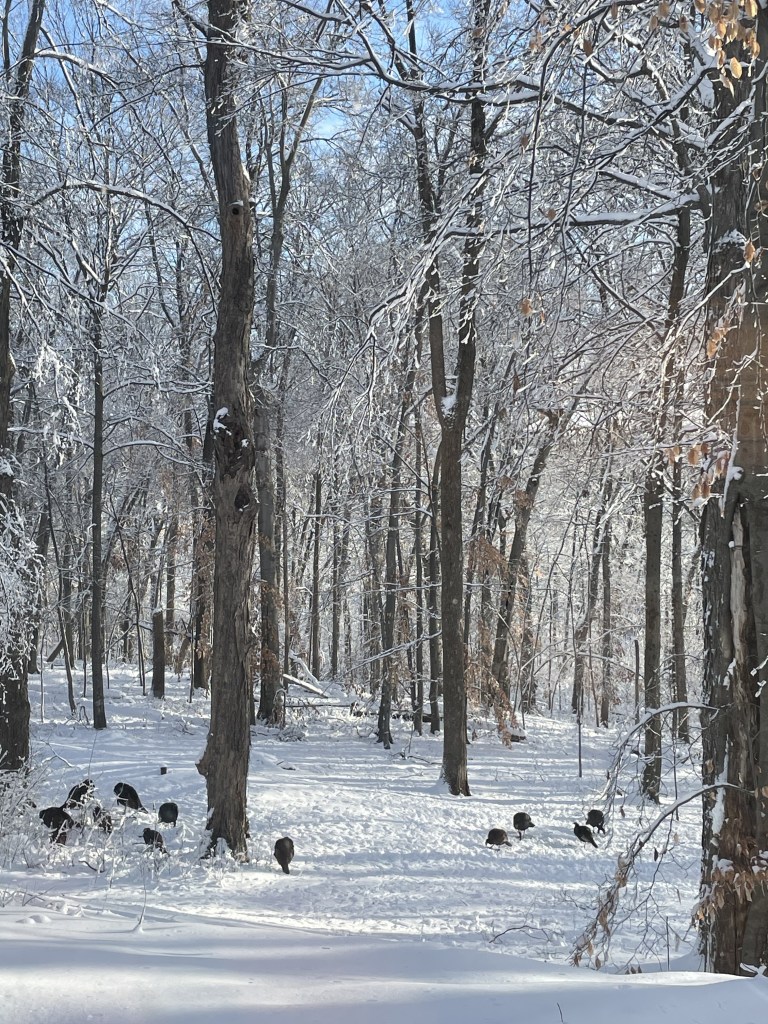
After the deer had finished their morning graze, the turkeys came down from their roosts and spread themselves among the three spots where we have put out seed. As I watched, I saw my one-footed friend—who has been with us for several years now—sit down by himself in the snow, fifteen feet removed from the rest of the flock as they fed. He knew he could not compete with the rough and tumble of the flock’s drive for food. My heart broke for him, because even though the others do seem to look out for him generally, the nature of turkeys seems querulous and wholly intent on individual survival. I told myself he would be able to eat when the rest had finished, but wished I could go out to give him his own little stash. He looked cold and lonely.
As I watched, one of the other turkeys broke off from the flock and walked over to him, nudging him gently. He got up, and together they walked to the pile of seeds, and, shielded by his friend, the injured turkey joined the others and began to feed. For the remainder of breakfast time, the limpy guy ate with all the others.
If I hadn’t seen it myself, I wouldn’t have believed it.
The turkeys are still here, and have been joined by squirrels, junkos, and chickadees. I know from long observation that today, instead of marching off on their usual trek, the turkeys will stay close by, puffing up their down coats, and sitting on logs somewhere out of the wind, preferably under bushes or brush piles. And they will all have eaten enough to fuel their bodies against the cold.
So, who wants to discuss how animals don’t practice altruism?
Or close enough.
We woke to steadily falling snow. The wind is whistling through the eaves like the sound effects in a particularly corny old movie, and the predicted snow totals have risen to a minimum of nine inches. We already have at least six, and it’s supposed to snow all day.
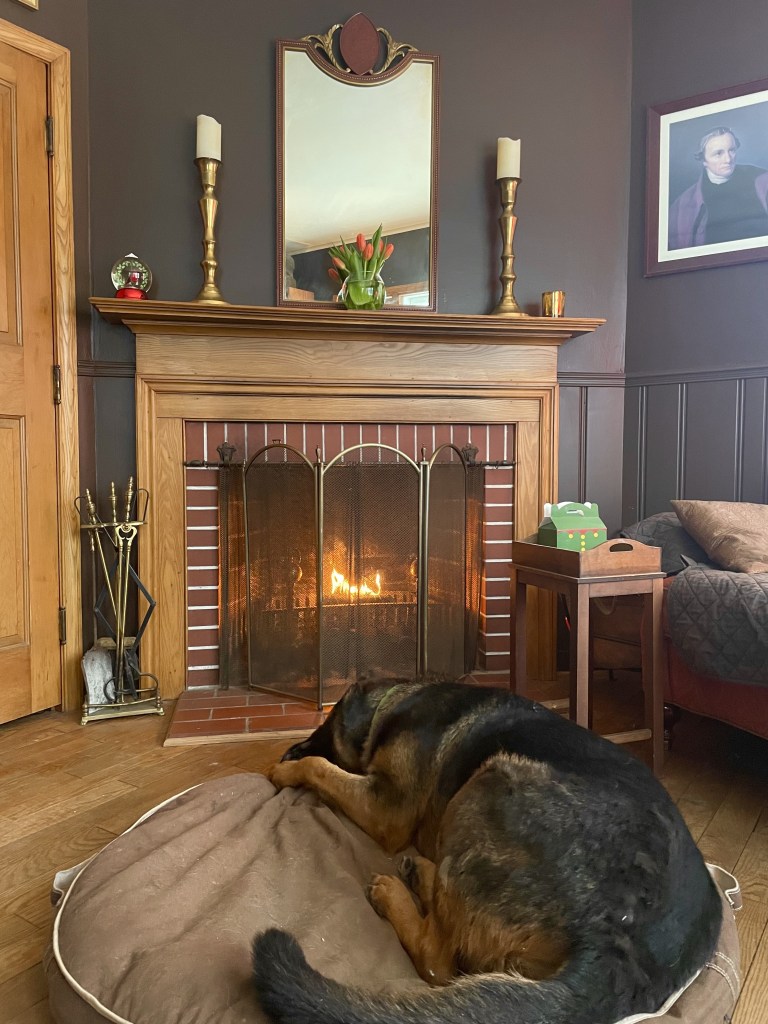
The dogs are in the kitchen, lying on their tummies to better savor their breakfasts of turkey bacon and eggs. There is a fire here, and fresh tulips on the mantel. My cup of coffee steams nearby.
People are stranded on the local highways, and I am betting the blowing snow makes the rural roads impassable. Semis are unable to make their way up minor slopes on the freeways. I hope they will all be merely inconvenienced.
I had planned to run out this morning on a minor errand, but that seems unnecessary. I cancelled the electrician, thinking that standing on a ladder working on light posts seemed unpromising in this weather. He seemed to agree.
Very soon I will need to bestir myself to accompany the dogs on a morning walk. Eli will not go without me, but I don’t mind. I have boots and a good parka, and sufficient inner child to find it fun.
I may have to spread the 160 pounds of bird seed I bought yesterday a bit sooner than planned. I saw the deer chewing on brush yesterday, and things will be harder now. Another child’s adventure.
The local weather guy says we may or may not meet the specific criteria for a blizzard, but why quibble?
Seems like a perfect day to stay home and design new cocktails for Roger.
If you know, you know.
***

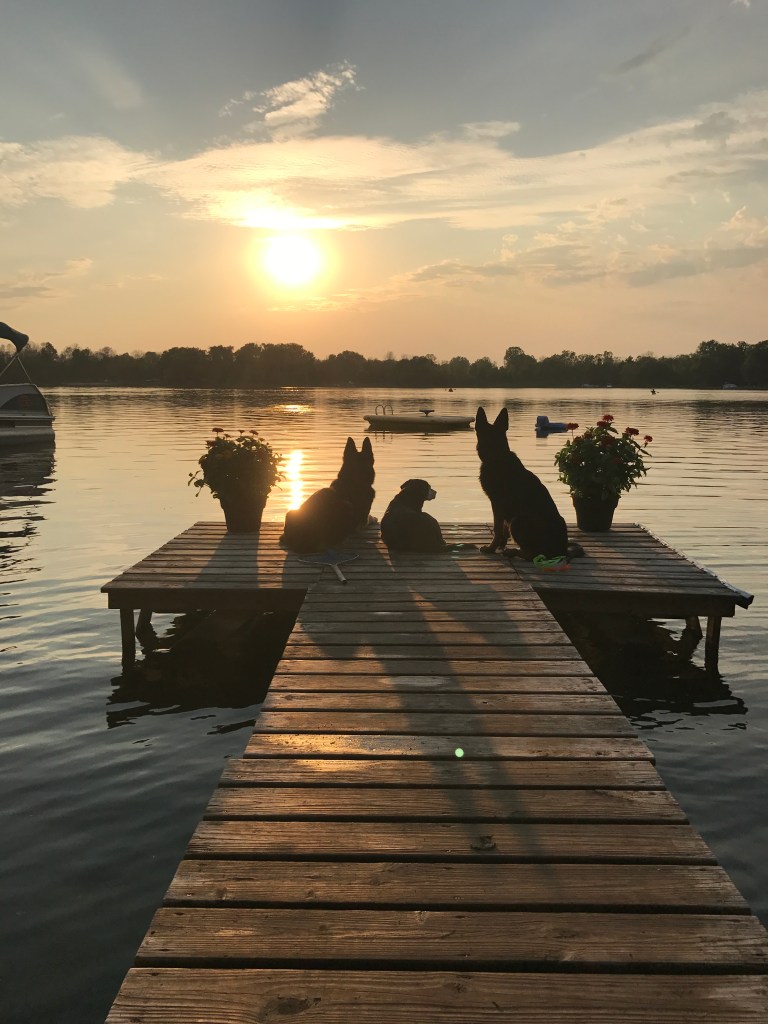
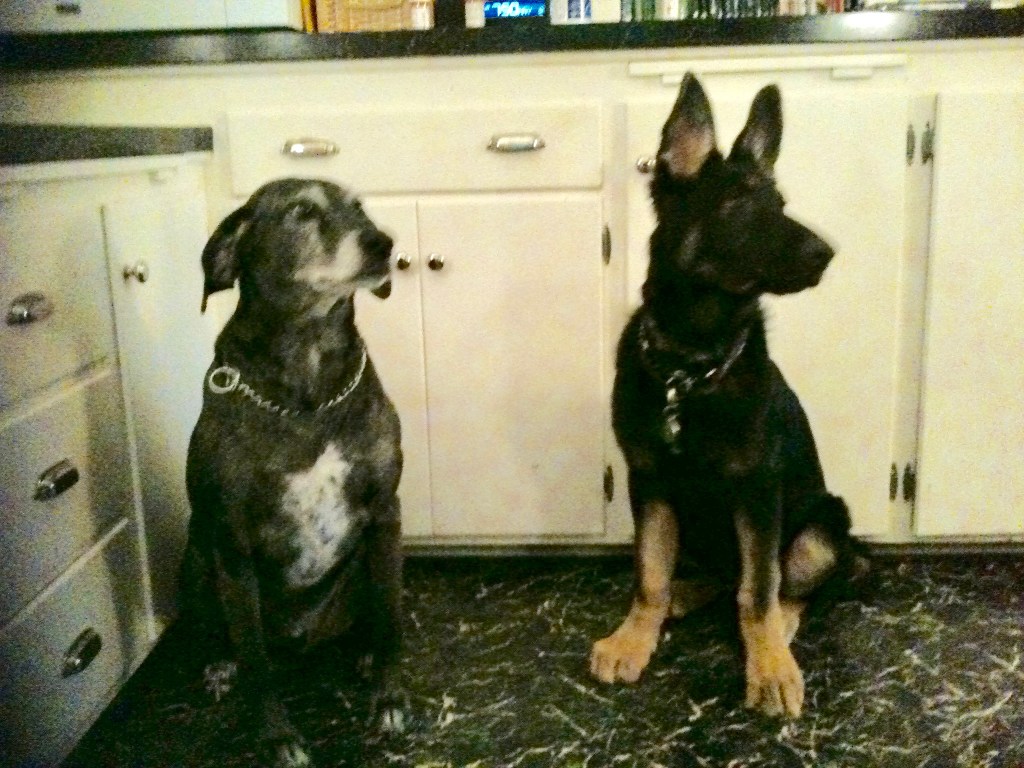
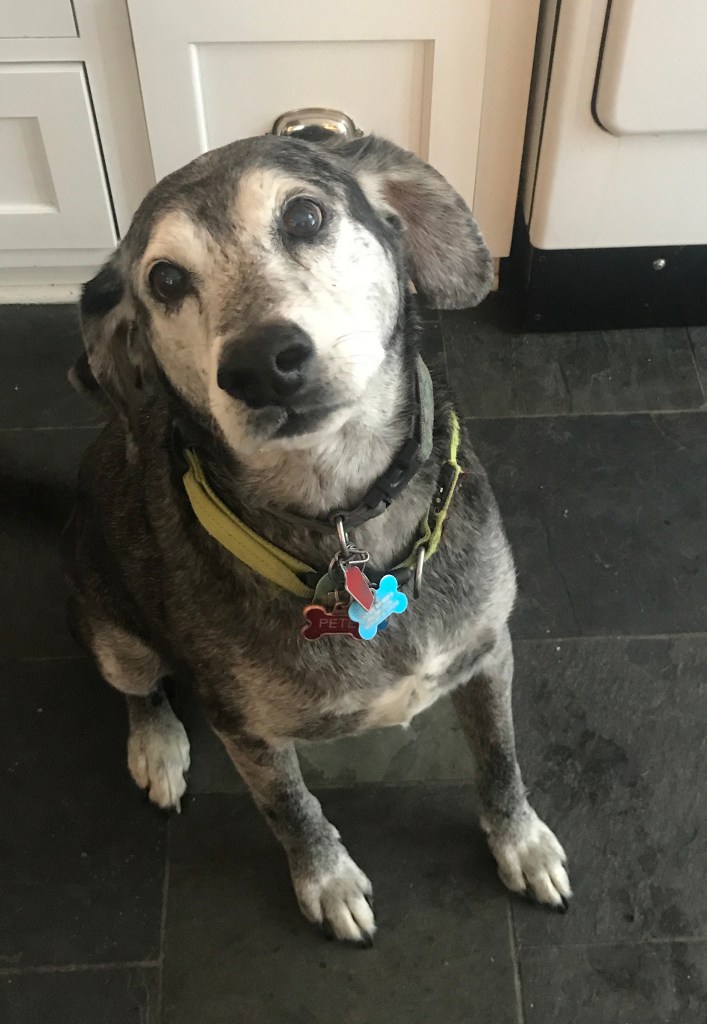
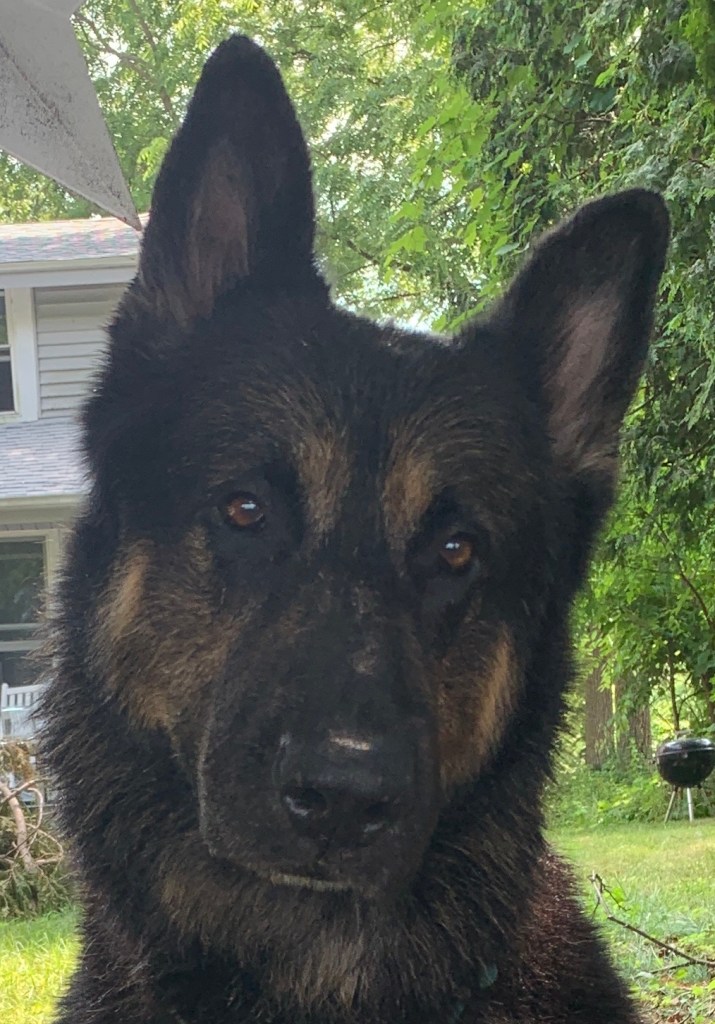
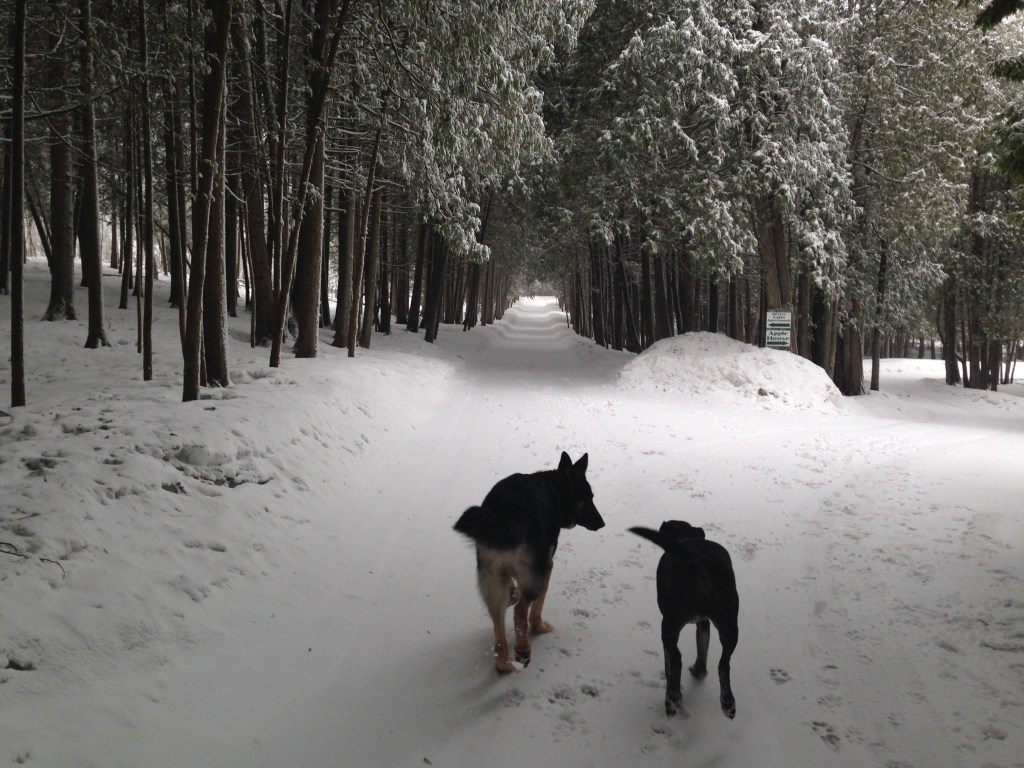
Today was the day we celebrated the birthdays of both Pete and Moses. The date for Moses was precise, but the date for Pete was an approximation. So we made it more festive by putting them together. We remember them with love and joy. (These dog photos are not gratuitous.)


We live in the woods, and partly because our property is contiguous with other large wooded areas, we have diverse wildlife. It is endlessly fascinating. I spend more time looking out at the activities beyond our windows than I do watching television.
But I’ve never really paid much attention to squirrels. We have approximately eleven million gray squirrels, and a rapidly increasing population of red squirrels, whose aggressive habits chase other mammals from the territory, and cause destruction to human property. You can hear them scold if you dare to walk beneath any of their trees. They are smaller than gray squirrels, but they box above their weight. All together, squirrels are the most common animals on our property, and I take them for granted. They are not mysterious and fascinating like raccoons or possums; or innocently beautiful, like deer; or showy and cantankerous like turkeys. They’re just squirrels. Always there. Always busy. Almost always solitary except during mating season. Not particularly interesting.
And yet, I recently learned that squirrel intelligence is superior to that of dogs, and this has given me a lot to think about. It certainly explains how in the dog vs. squirrel chase category, squirrels are definitely winning.
Anyway, this is not meant to be a treatise about squirrel species. It is the observation of—if not friendship—camaraderie—and, perhaps, of something more important.
I first saw a pair of gray squirrels running together in the summer months. At the time—and without paying close attention—I marveled over How. Many. Squirrels we had this year. It was like a squirrel invasion. (A circumstance due, probably, to the sudden diminution of the coyote population.) Every morning, they were running together, one after the other: racing across the lawn, spiraling up trees, and looking, to my wandering and inattentive gaze, as if they were either rivals or a mating pair. I didn’t think about them, or pay particular attention. But they were always there.
Only recently did it suddenly occur to me that they were still always there, and it wasn’t just a pair. It was a group of four. And it had always been—I realized—a group of four. There were lots of other squirrels around, but here was this…clan…running together in the clearing down the hill, foraging together, and racing across the grass to a particular tree, where they would run up the trunk and disappear.
Their relationship is as constant as that of the turkeys, and as I look back I realize how much their antics have been a fixture of my mornings, if only in the background of my awareness. The other squirrels nearby did not interact with them, unless it was to run off a competitor. But I think it was the other squirrels who must have been run off most often in the face of this four-squirrel brigade.
I can only guess that they are siblings, but who knows. They seem to have broken the usual squirrel pattern of solitary nut-gathering, but maybe these behaviors have been happening all along and I wasn’t paying attention. Or maybe it is an adaptation, a move to provide a common defense against the aggression of the red squirrels. Not being an authority on squirrels means I have the fun of speculation. Do they feel affection for one another? Do they feel a blood connection? Or is this merely a business/military relationship?
I have one clue—based on pure observation without anthropomorphizing. Last year, I passed a newly-dead squirrel by the side of the road, and beside it, I could see a living squirrel, frantically patting the dead body as if attempting to revive it. I wanted to stop, but there was nothing to be done. Was I going to comfort the living squirrel? Help it bury its dead? I watched for a second or two in the rearview mirror and went on in a somber mood.
It is pouring rain in the precursor to a winter storm, and the rain is just now—finally—changing to heavy, wet flakes. As I sit in my cozy library, fire crackling, coffee nearby, I see the four friends, utterly indifferent to the weather, running together up the tree, down the tree, to another tree, and jumping from branch to branch, tree to tree overhead. They don’t seem to be working, but playing. Maybe to keep warm, or maybe because the hard work of food gathering is seasonal. Or maybe because it’s good squirrel fun. I’d certainly do it if I could. Although maybe not in this weather.
I wish them safety in the coming storm.
***
There is a phenomenon I experience which may or may not be common among writers. It is the cultivation of an empty calendar.
This means that when I am trying to get the wheels turning with my writing, I cannot have appointments. I cannot have repairmen coming to the house. (Yes, I know, but in my experience, they’re all men.) I can’t have the cleaning lady. I can’t schedule lunches. I can’t schedule coffees. I only very reluctantly schedule dental appointments and haircuts, but this is mostly only so I don’t lose all my teeth and depress myself looking in the mirror.
This does not mean that I can never do these things. But it means that I can only do them spontaneously—the social things, anyway—after the day’s work is finished and I have exhausted my capacity for further writing. If I schedule something, it haunts me, and even when I try not to allow it, the little voice that plans what to wear and when I should leave interferes with the freedom of mind I need.
Like today, for instance, I have no intention of getting out of my pajamas until I am finished with my work. If I knew I had to go somewhere for lunch, it would ruin my morning. Because by 8 am I would be thinking: I have to stop at 10 so I can wash my hair, and figure out where my black jeans are, and is that new paisley blouse clean. Then I would have to stop, locate the jeans, and most likely dig the blouse out of the hamper to throw it in the fifteen minute cycle of the washer, and set the timer so I remember to put it in the dryer… And by then my concentration is ruined and the day is lost.
This can make friendships difficult, and I’m not sure everyone completely understands. I’m not even sure I understand. But at times like this, I tend to go dark, and although I will respond to texts or emails, and eventually return calls, I don’t cheerfully answer calls. Usually my phone isn’t even anywhere near me.
And I try never to schedule anything. Particularly not on Mondays.
On the other hand, on most writing days, by noon I am ready to venture forth, and I spend a happy afternoon rambling around doing errands, wandering the aisles of the grocery store, then coming home and arranging the new flowers and making something for dinner. If someone is available for a spontaneous something, that’s a bonus. But it’s not essential.
The end result of all this is a somewhat messy house, a somewhat frowsy personal appearance, a long list of needed repairs, and trying the patience of my very lovely friends.
It’s not ideal, but I have learned that writing a book requires several kinds of ruthlessness. And this is only one.
 J.F. Riordan