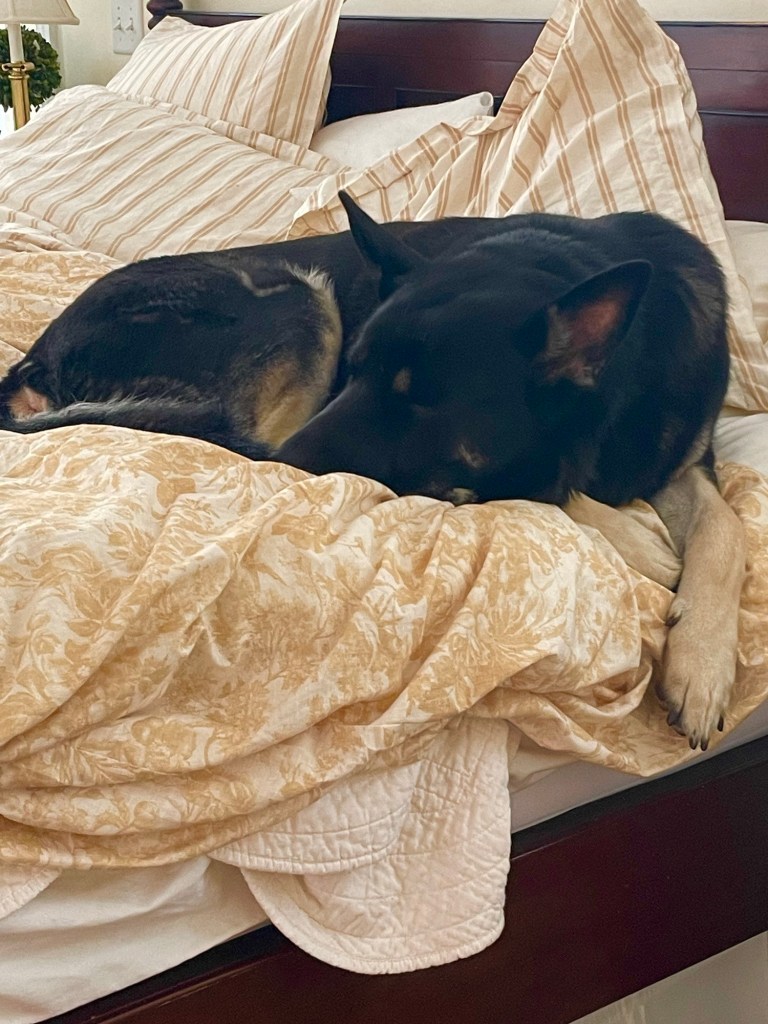
Sometimes I have to wait to make the bed
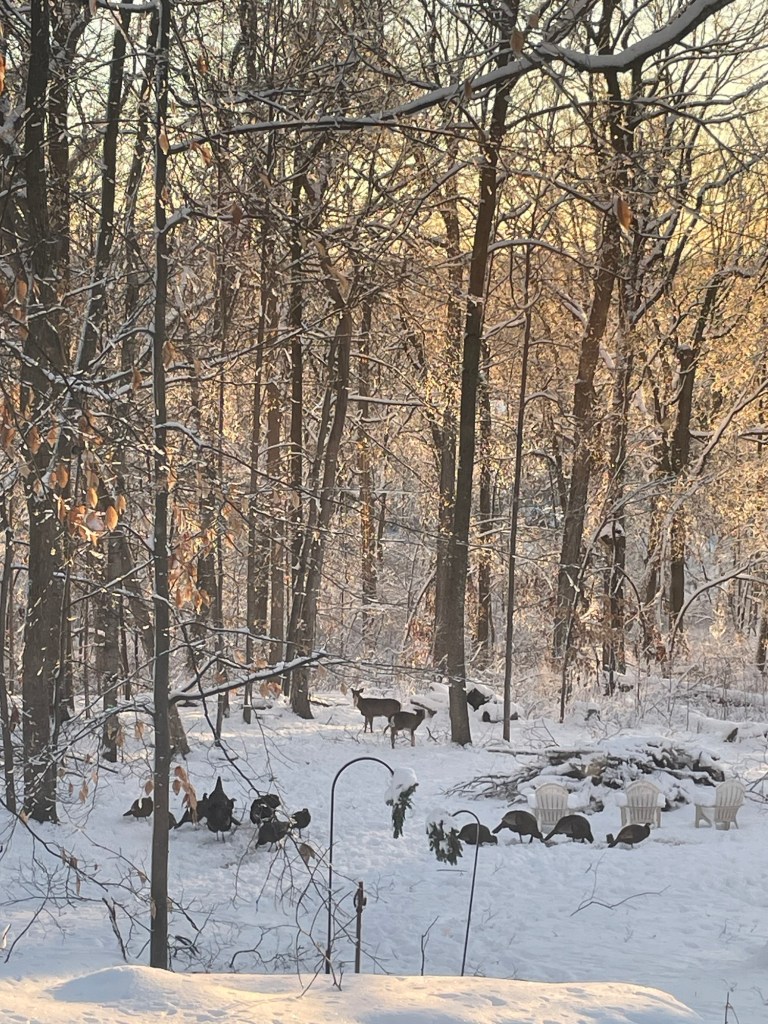
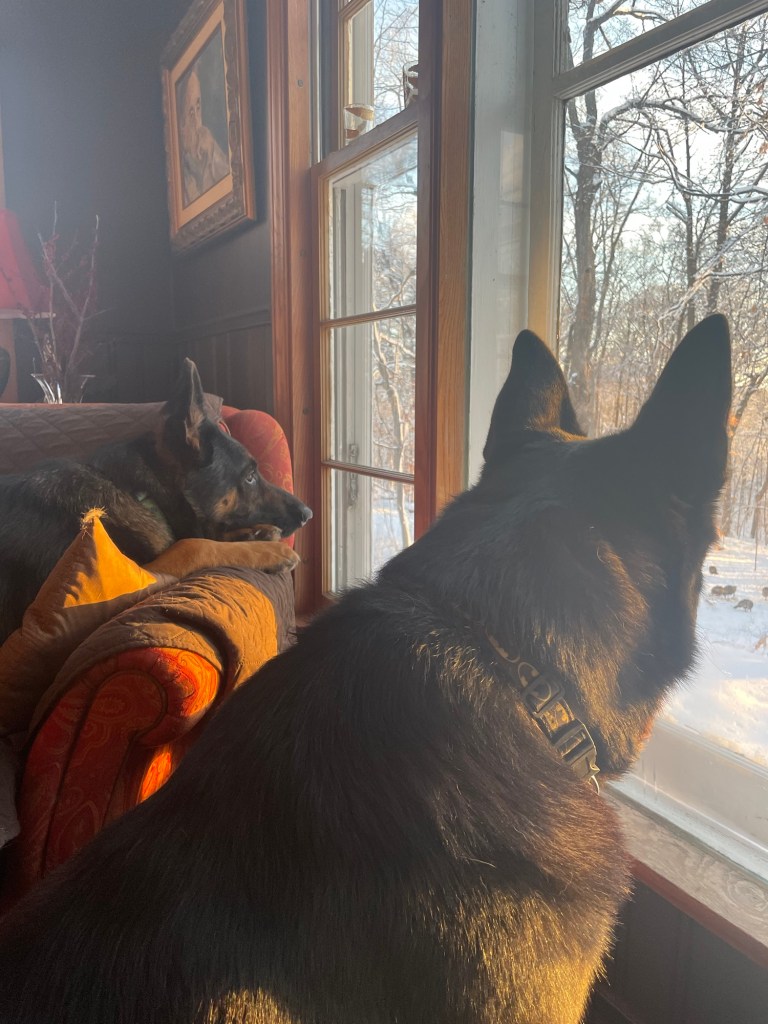
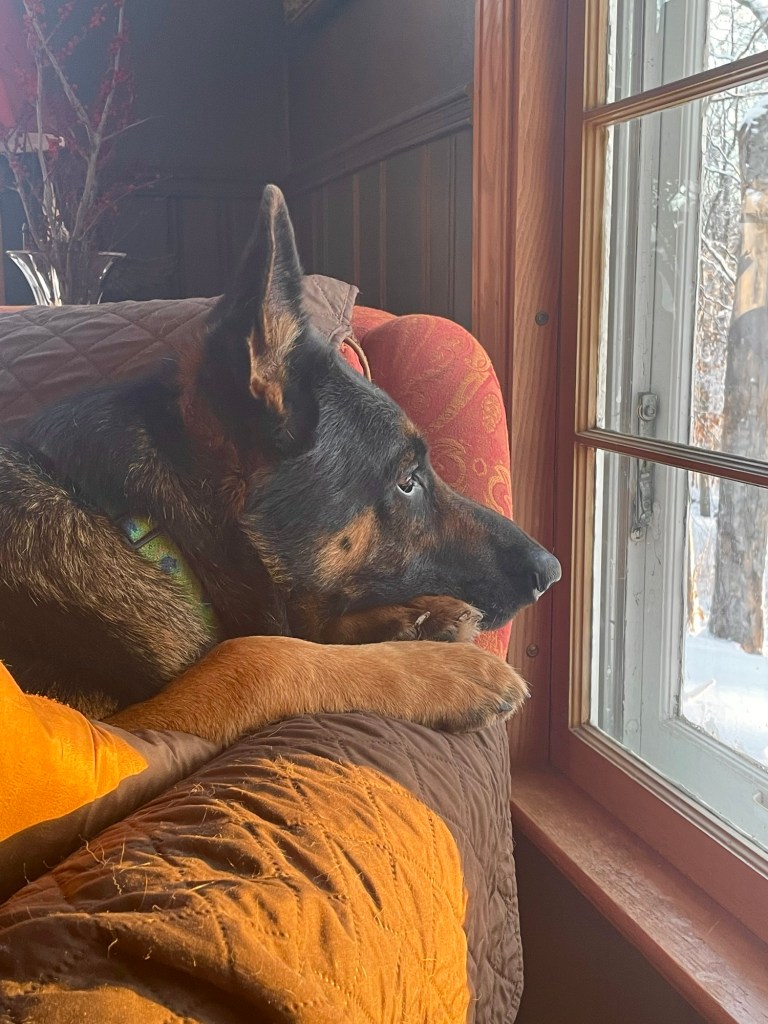
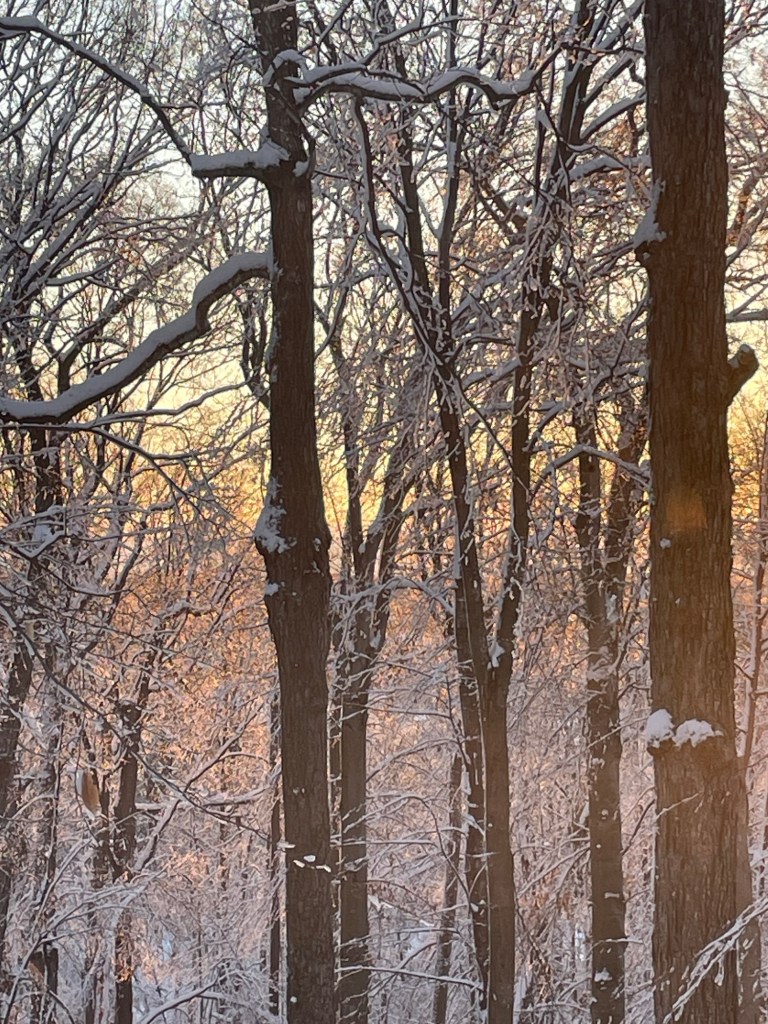
At this time of year, I try to spend the last hour of daylight where I begin my mornings: sitting in a big armchair in the library, watching the wildlife gather. Usually there are deer and turkeys, sometimes possums, always squirrels, and I find their antics endlessly interesting. I light a fire, and sometimes pour myself a glass of port. The play of light on the snow is beautiful whatever the weather.
But last night I was a little late, and it was nearly dark when I came to stand at the window and peer out. The turkeys were already roosting, and there were no deer. But there was a small shadowy form moving down by the bonfire pile. Eli saw it at the same time: coyote.
It’s been quite a while since we have seen or heard coyotes, and I have come to the conclusion that someone was secretly killing them. We used to have a neighbor—a former Navy Seal—who would stand on his porch and pick them off with a rifle after they attacked his dogs. But I have to confess, I do not hate coyotes. They are too much like dogs for me to feel any real animus toward them. Mostly, I feel compassion for these intelligent creatures who must survive in a world where they are so hated. But I have to be realistic: they are a real threat to our dogs, and to our neighbors’ dogs, one of whom is quite elderly and vulnerable. And if I caught any of them trying to harm Auggie or Eli, my reaction would not be benign. You might think big German Shepherds would not be in danger, but a few years ago there were news reports that a pack of coyotes in our neighborhood chased two Malinois—who are far more ferocious than a GSD—right up to their back door.
So, following the advice of the experts, I went out to scare it off. The hill is steep and snow covered, so I stood at the top of the hill and did what any self-respecting opera singer would do. I projected. “You! Get out! You get out of here! You!” I could hear my voice resonating through the woods, and could only guess what our elusive neighbors to the north—the ones in the new house who wave from their Teslas but whom we have never met—must think. The coyote startled, stared, and ran off into the woods. I felt sorry for it, but I went inside laughing under my breath, wondering whether my husband’s audience on national tv had heard.
About five minutes later the coyote was back. I scared it off again, but it was harder this time, and I knew I was teaching it not to be afraid of me.
After dinner I looked out and there was the long-tailed black shadow, lying in the snow to eat, just as Auggie lies with his bowl on the kitchen floor. My husband had an insanely early interview and had already gone to bed in the guest room, so it was up to me. I stood at the windows watching. It was a fairly plump coyote, which didn’t really match the way it was eating, and I wonder whether it was a pregnant female. Coyote pups are born in February, and here we are in the last week of January.
I had been texting our neighbors to the south, and we considered what to do. He offered to bring his gun to scare it off. (Most definitely not to shoot it.) Shooting off guns in the night these days can be fairly disquieting to anyone who doesn’t know what’s going on, and I had misgivings. But we really can’t have a coyote hanging around to eat, and later bringing her pups. So, they came, tromping through the woods in big boots, and I met them outside, while Auggie and Eli watched suspiciously from the comfort of the house.
Reluctant to shoot, we yelled to scare her off again, and this time she ran deep into the woods. We watched until we couldn’t see her blue eyes sparkling in the light of the flashlights. And then we heard four tiny pips, not full howls. “Maybe we should howl back as a territorial thing,” someone suggested. It’s not flattering, but the howling seemed like a job for me. So, I pipped back, mimicking what we had heard, and then I let out a long fluctuating yodel, modeled on the kind Moses used to give. We waited in silence. I howled again. Auggie and Eli barked ferociously, and in the distance we could hear the neighbors’ dogs barking inside their house. This went on for a minute or two. It was kind of fun.
I learned later that my husband was upstairs in the guest room laughing. He knows me too well.
After a long silence, we stood on the hill, watching and talking over the options, and finally said good night without a shot fired. I went inside to pour a glass of wine and put on my pajamas. As I went into the library to turn off the lights, I looked out into the woods.
There was the coyote, lying on her tummy in the dark, ravenously eating birdseed.
I let her be. Hungry creatures touch my heart.
Nevertheless, it’s time to recharge the paintball cartridges. They are harmless, but they hurt. It’s not good for anyone when coyotes are fearless around humans. Least of all for the coyotes.
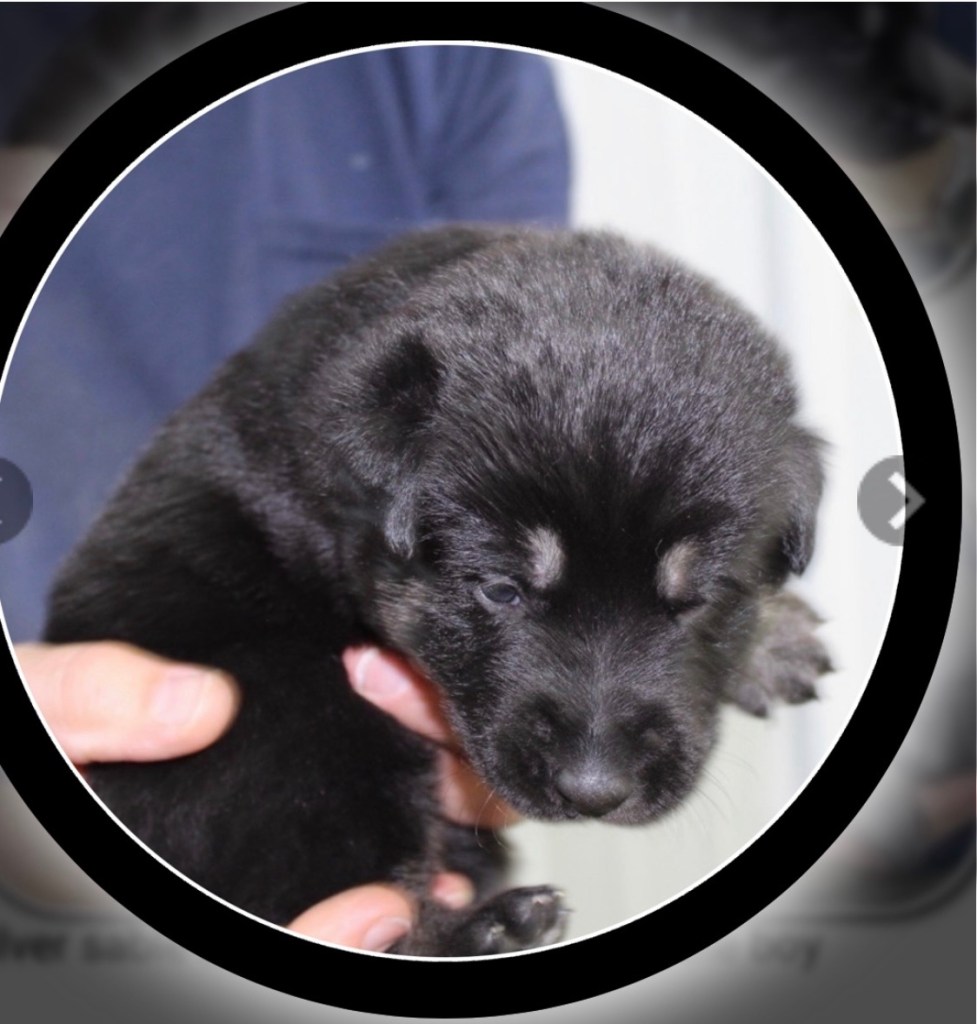
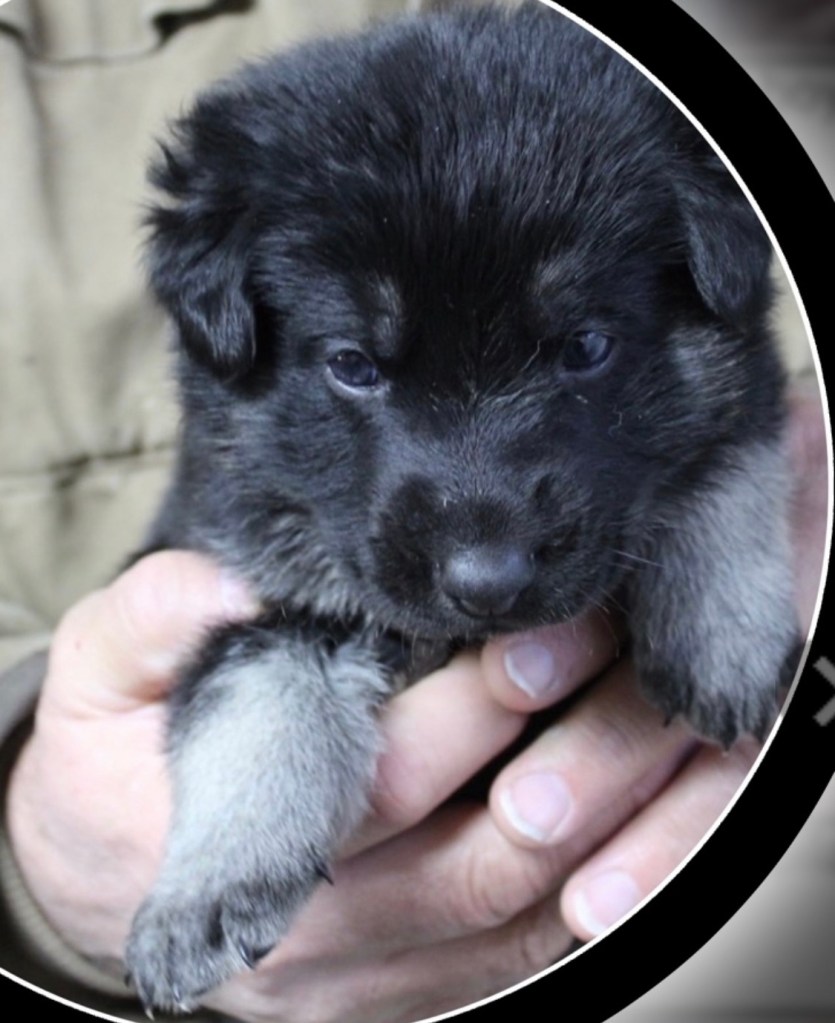
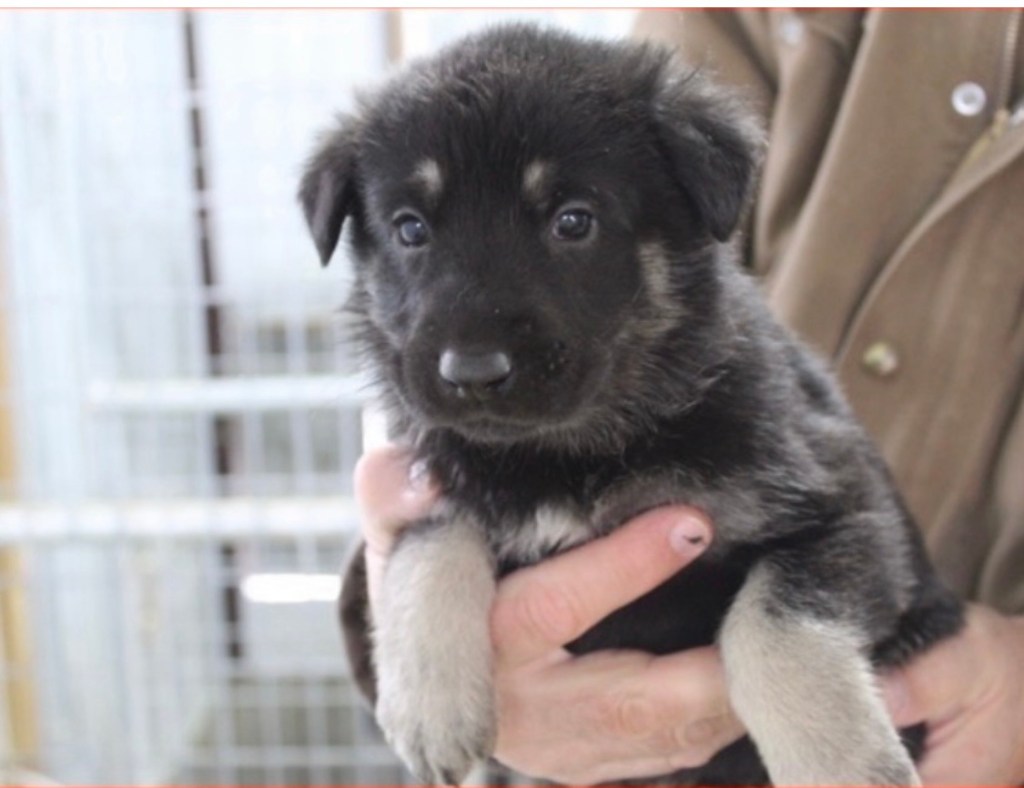
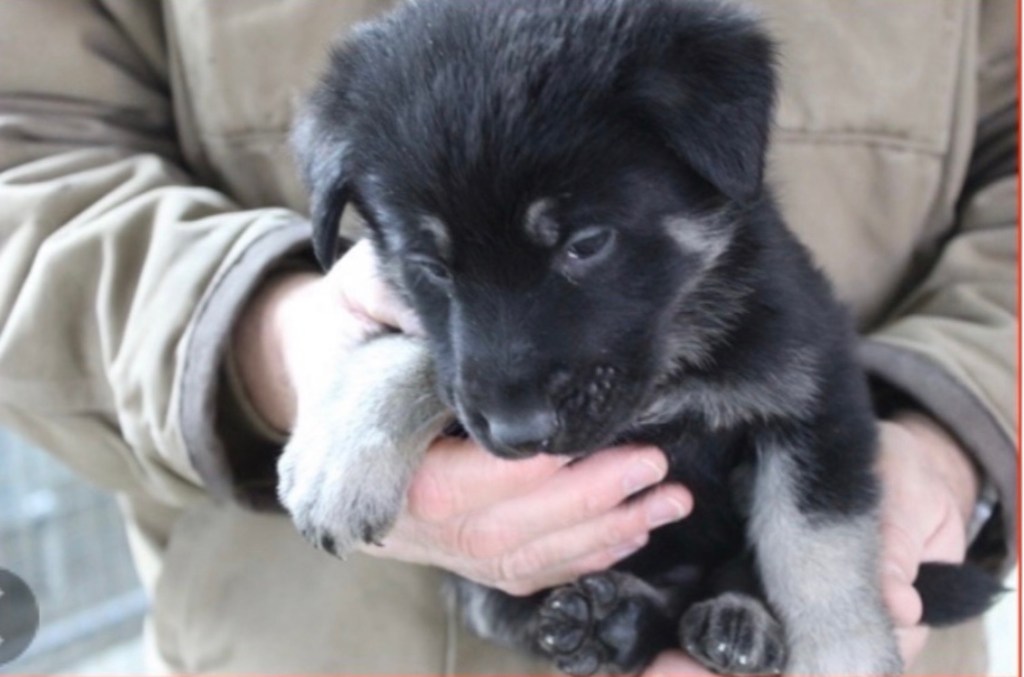
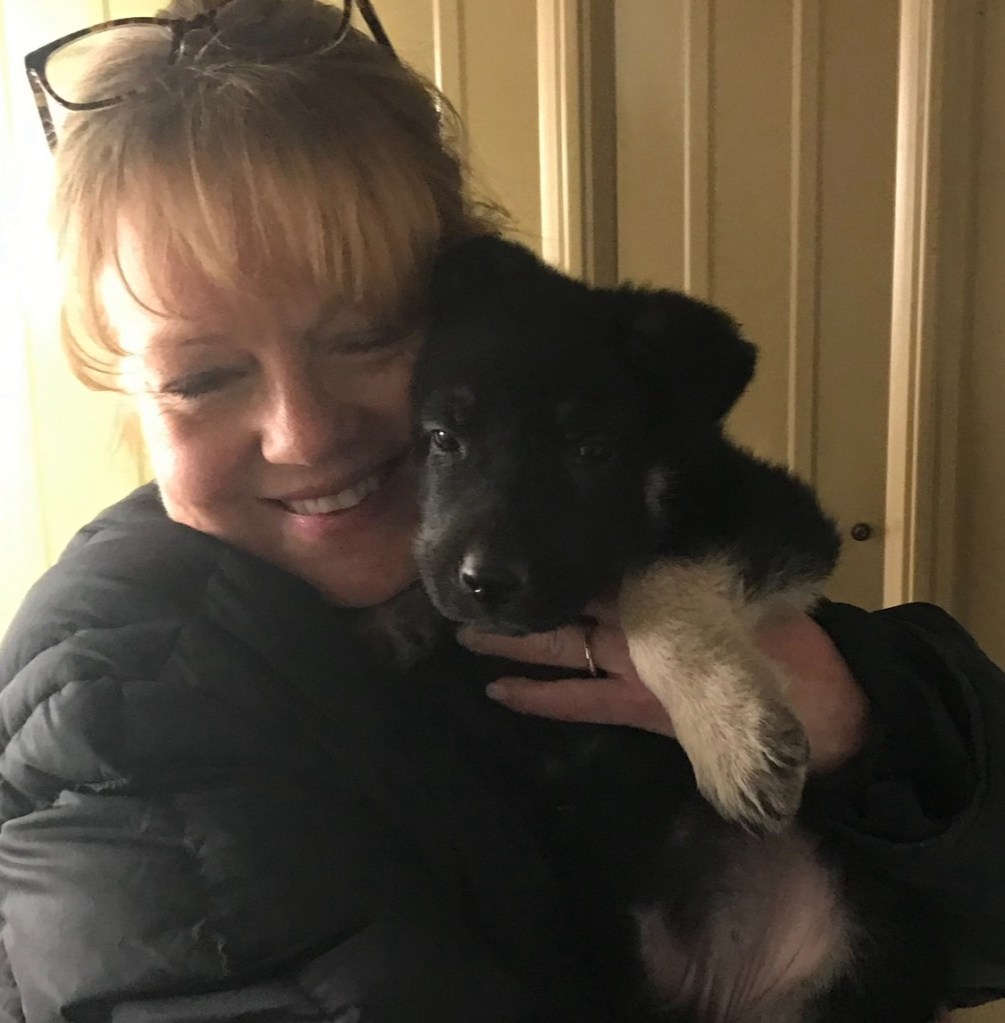
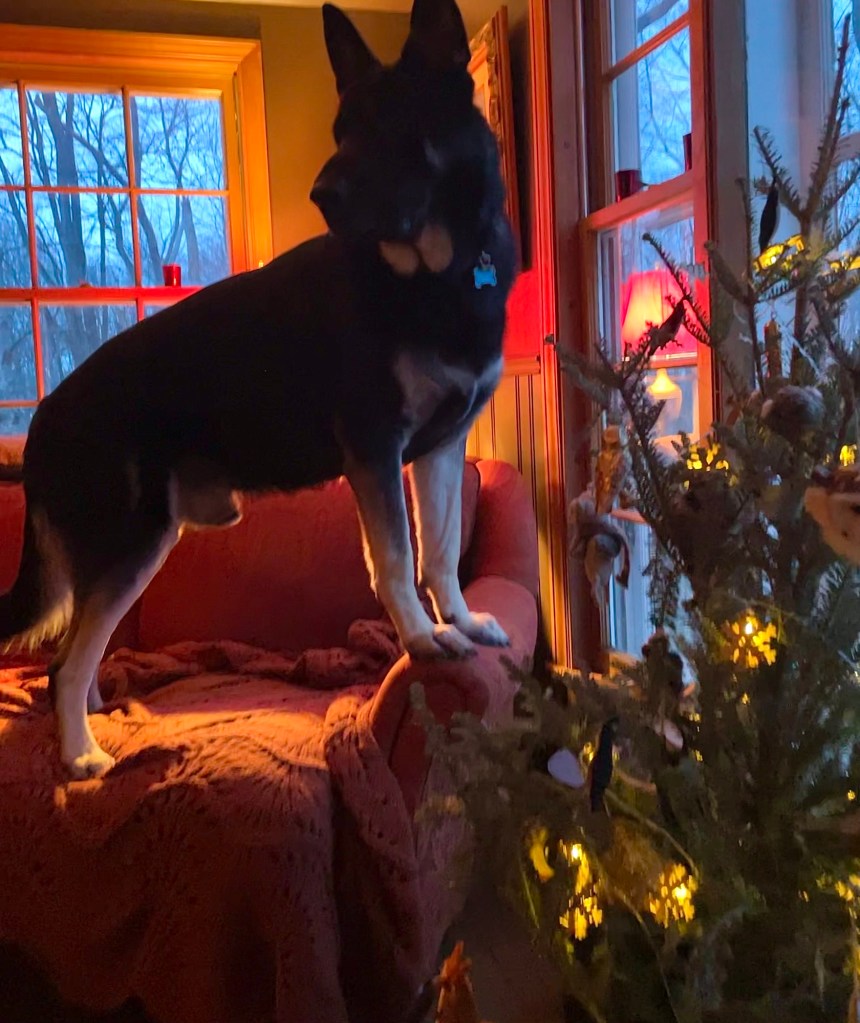
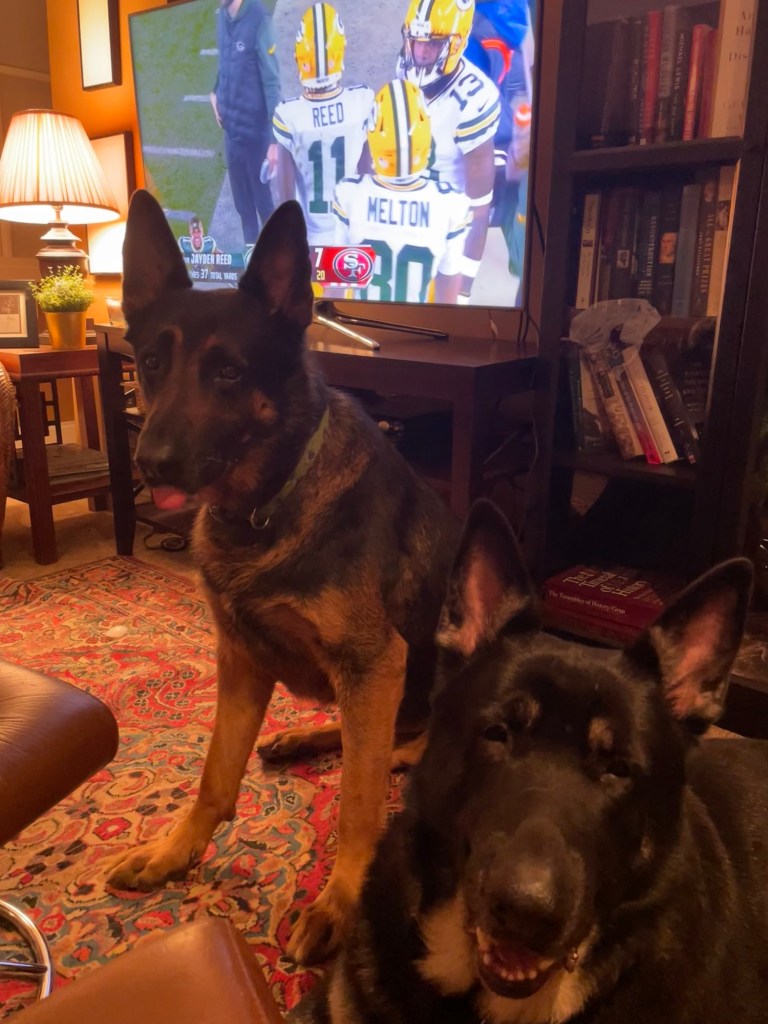
He’s four today. Here are some photos from his first weeks.

Who’s your audience? It’s a question asked of writers all the time. Agents want to know. Publishers want to know. Even book club readers want to know. Most writers know how to gauge our answers to meet our business needs. Of course, to be published, a book needs to meet customer demand. But, to be honest, most of the time that’s only a guess based on what has sold before, and demand can also be created by marketing teams and media campaigns.
So, while I am delighted to have my books published, I don’t think about any of that when I’m writing. I really only write for an audience of one: me.
I write the kinds of books I want to read, and to be honest, while I do read for information, I mostly read for comfort and companionship. When I had high-pressure, stressful day jobs, I didn’t want to come home to read high-pressure, stressful books. I taught in the inner city. I didn’t want to read about suffering, murder, crime, drug use, and lost opportunities. I lived with that every day. When I moved into an executive position, I still spent a great deal of time thinking about human misery and how to help alleviate it. Again, I was often in the inner city, visiting schools, homeless shelters, prisons, half-way houses, and addiction centers. I also had many uplifting experiences in the fine arts world, to be sure. But what hung with me was always the human traumas that went on before my eyes every day.
I don’t think I’m alone in that. Many people have intense, exhausting, high stress jobs. And some of them find catharsis in reading about intense things, perhaps because at the end of a well-written book, there can be a release of the built-up strains.
But that’s not for me. I want to go to a world where there is a group of characters who feel like friends I can hang out with. I want to look deeply at the small miracles of daily life. I want to feel enmeshed and revived by the creativity and joy of an ordinary day. And so, both in the novels I write, and in my books of essays, I linger on the hope, the joy, the beautiful and all the ways in which frustrations, unkindness, and misery can be diminished—although never eliminated—by the way we focus our attention.
And so, when I’m writing, my incentive is the pleasure I take in joining the worlds I’ve created. I write (mostly) about characters I want to be with, who live in a world I enjoy being in. Maybe that’s selfish. I don’t know.
But honestly, I don’t know any other way to write; I don’t think I could write a horror story if I had to. “Write what you know” is the old adage, and I really don’t think there’s any better advice. Luckily, based on my readers’ comments, the kinds of books I like are also liked by other people. And that’s a pretty good system, I think.
So now, if you’ll excuse me, it’s time to go hang out with some old friends.
Cheers.
***
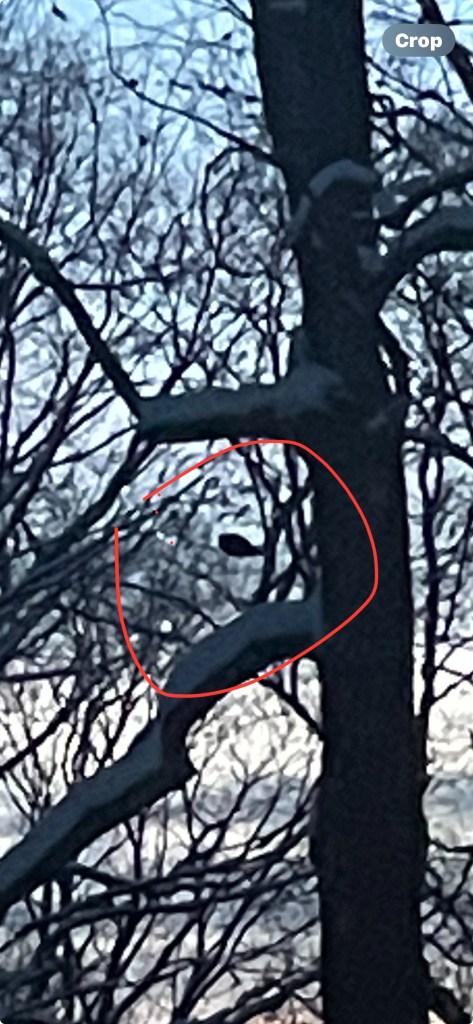
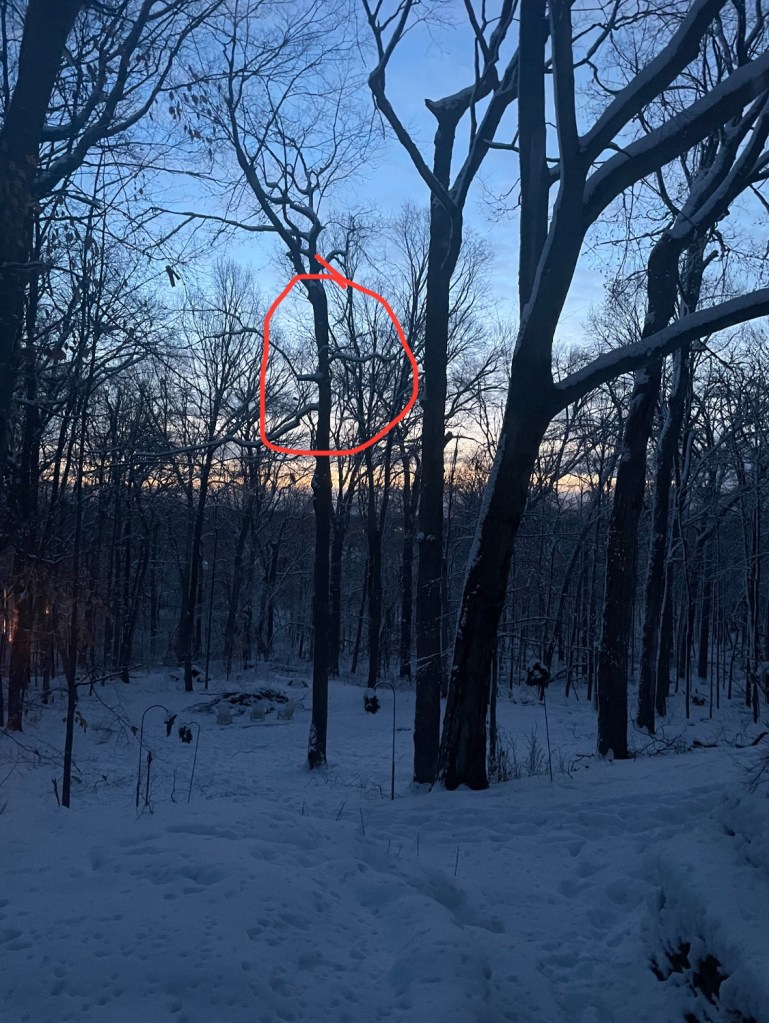
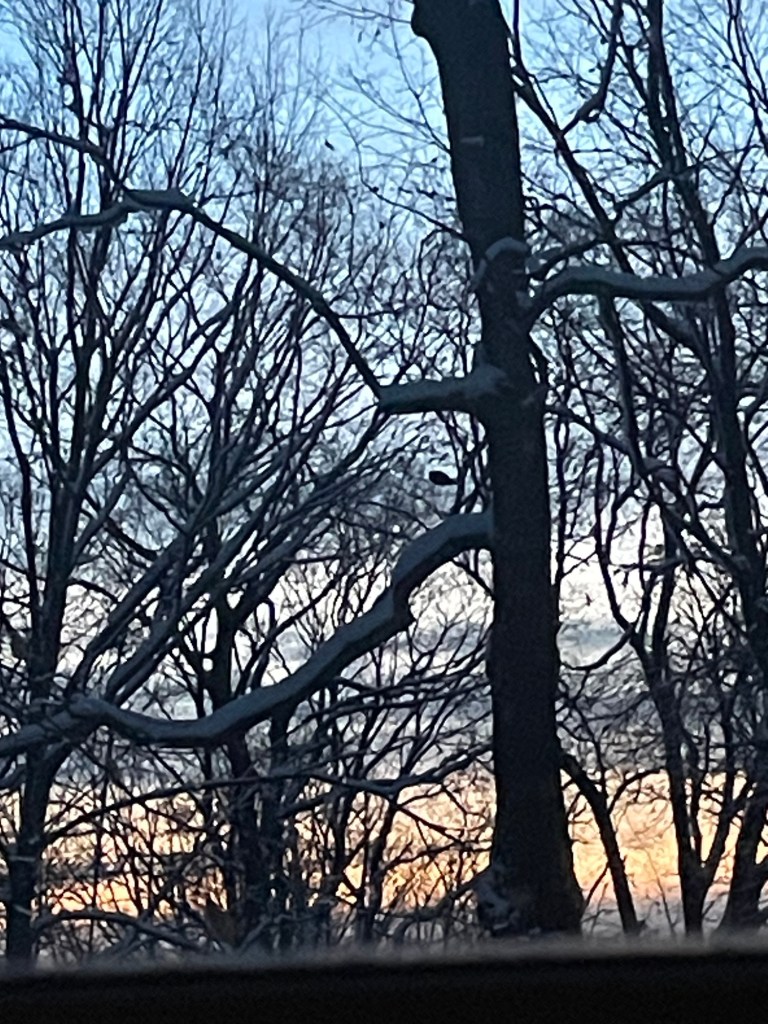
Many of you couldn’t find the turkey in the photos yesterday. That’s because I don’t have a good zoom lens. But here’s the best I can do.



 J.F. Riordan