St. Nick

We didn’t celebrate St. Nick’s Day when I was a child. I hadn’t even heard of it until we moved to Wisconsin. And it didn’t occur to my parents–who were not big on following along with the crowd–to adopt the local custom. I never felt deprived.

But St. Nick is a thing, both among the local families, and according to French custom, so with our French/American grandson living with us this year, the old fellow was expected to make an appearance at our house. I bought candy and clementines and a rather beautiful US Passport Christmas ornament, and felt I had met the mark. But when we heard that little brother in France got earbuds, we realized we had to up our game. So a late-night emergency trip to the local drugstore yielded a pocket retro electronic game which Grandpa had observed being coveted, and a crappy-cheapo plush Santa hat, which, apparently, is a middle school thing. St. Nick has dutifully delivered these treasures into the depths of the très chic name-brand boots we bought for the non-existent snow.

The boy is happy. And so are we. Kids make the season more fun. Although the game makes a familiar and annoying electronic noise that may drive me mad.

Should have bought the earbuds.

Paperwork

My niece and her husband—both executives at a big company—run a paperless home. They don’t write notes on paper; they receive and pay their bills electronically, and, well, I don’t know what else, because I cannot imagine living that way.

This is not a criticism. It is a confession.

My husband and I are writers. But while we both use computers most of the time, we do regularly make handwritten notes. When I need to download information for myself, I find that the simple writing of lists in a notebook is somehow refreshing to my mind. My notebook sits next to me now as I write, and on my bedside table at night. I carry it with me into the grocery store and prop it up on the seat of the cart. It often sits on the passenger seat in my car. It travels with me, so I can write on the plane when electronics are prohibited. I will use my phone to make notes if I have to, but I always prefer paper.

My preference for paper extends to a preference for a particular notebook, which seems no longer to exist anywhere in the world, but of which I have an extensive backstock. Occasionally in an idle moment I still search for them, but my hope is gone.

I like pens, too, and I am particular about them. This is not to say that I prefer anything expensive or fancy. The office cheapo store has perfectly fine pens. But they have to feel right in my hand, and they have to move across the paper in a certain way. When I had a day job and traveled often, there was a certain luxury hotel in Washington D.C. whose conference room pens I absolutely coveted. I still have two, and try to spare them for special occasions. The truth is, I love office supplies of every kind, really. Since childhood I have enjoyed a leisurely meander through the aisles of paper, pens, and whatnots. I have always been drawn to those bound accounting books, even though I have an absolute horror of accounting. I don’t buy them, but I eye them speculatively. I am also drawn to boxes of crayons.

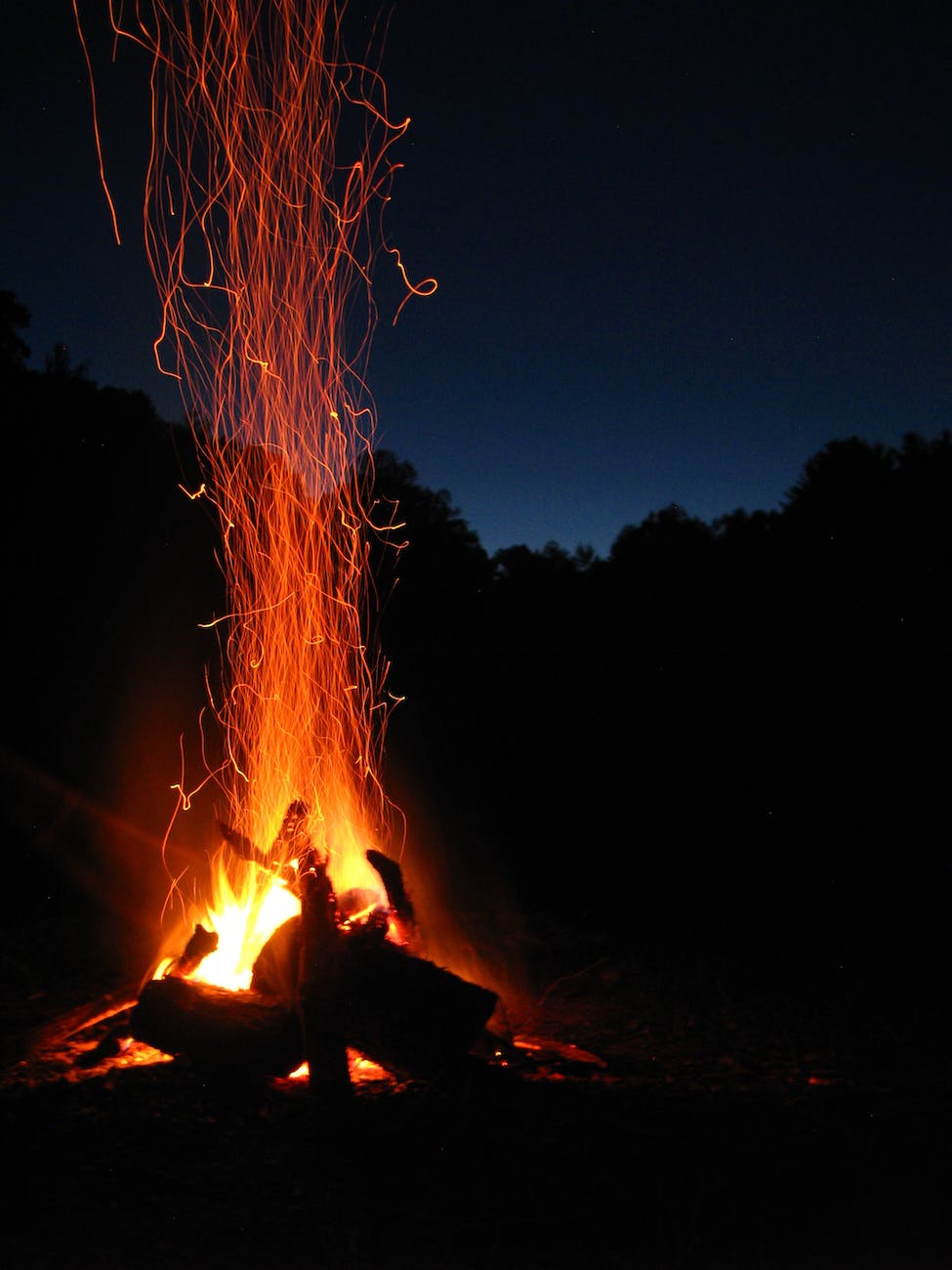
But the thing is, we are drowning in paper. Most of it comes in the mail, and it is of no interest whatsoever. That’s easy to get rid of. But aside from the advertising stuff or the solicitations for donations, much of it—despite its unimportance—is unsafe to throw away. It has account numbers, or personal information that you really don’t want floating around. I used to have a shredder, but after a few iterations the shredders went the way of my robot cleaners: Fun while they’re working, but that’s not for long. And so the paper sits around on my kitchen counter, and later slithers out of the bonfire burn bag in the closet and escapes under the door, making a mess in the back hall. You know why I can’t wait for snow? So I can have a big bonfire and get rid of it all.

Photo by Pixabay on Pexels.com

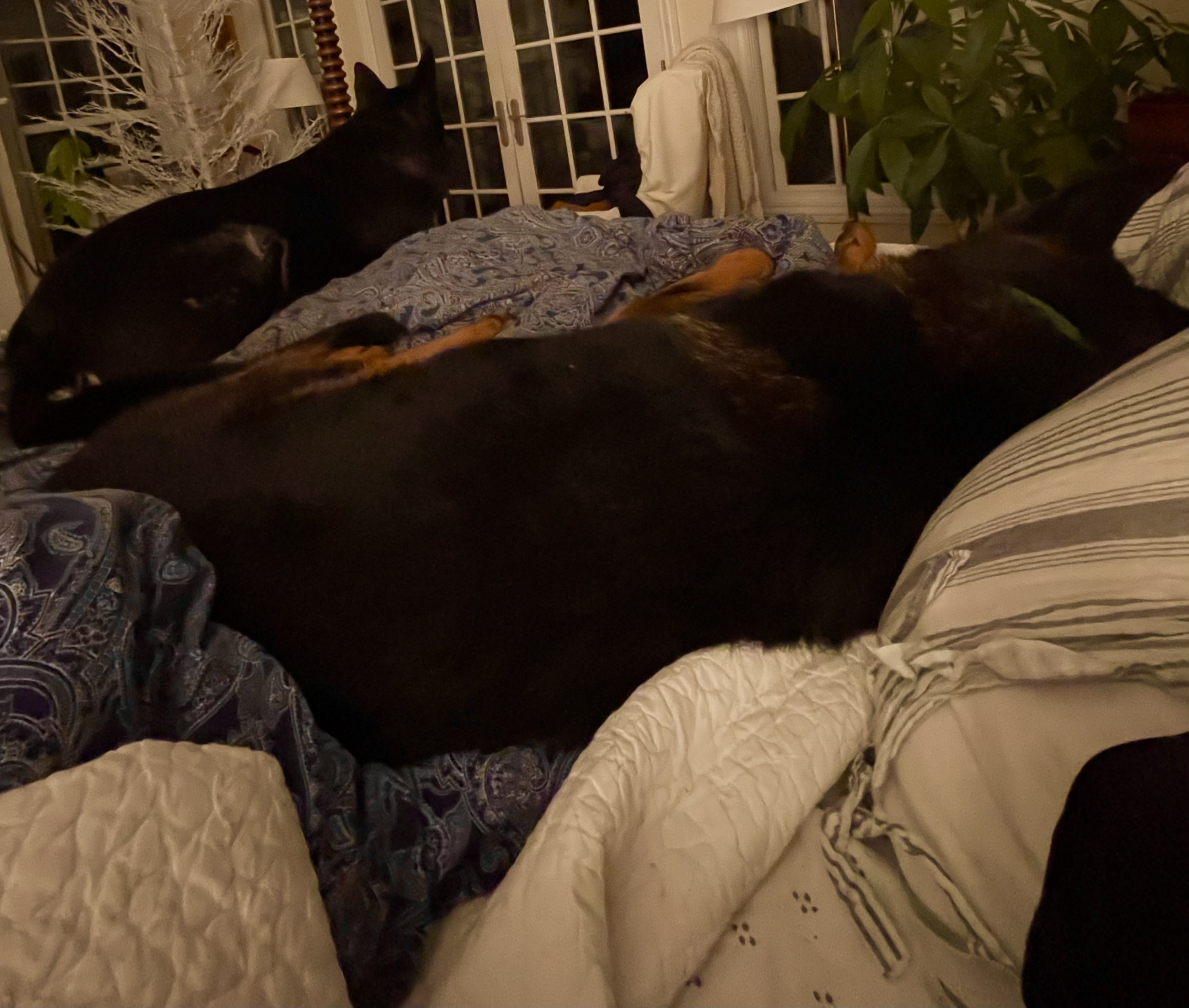
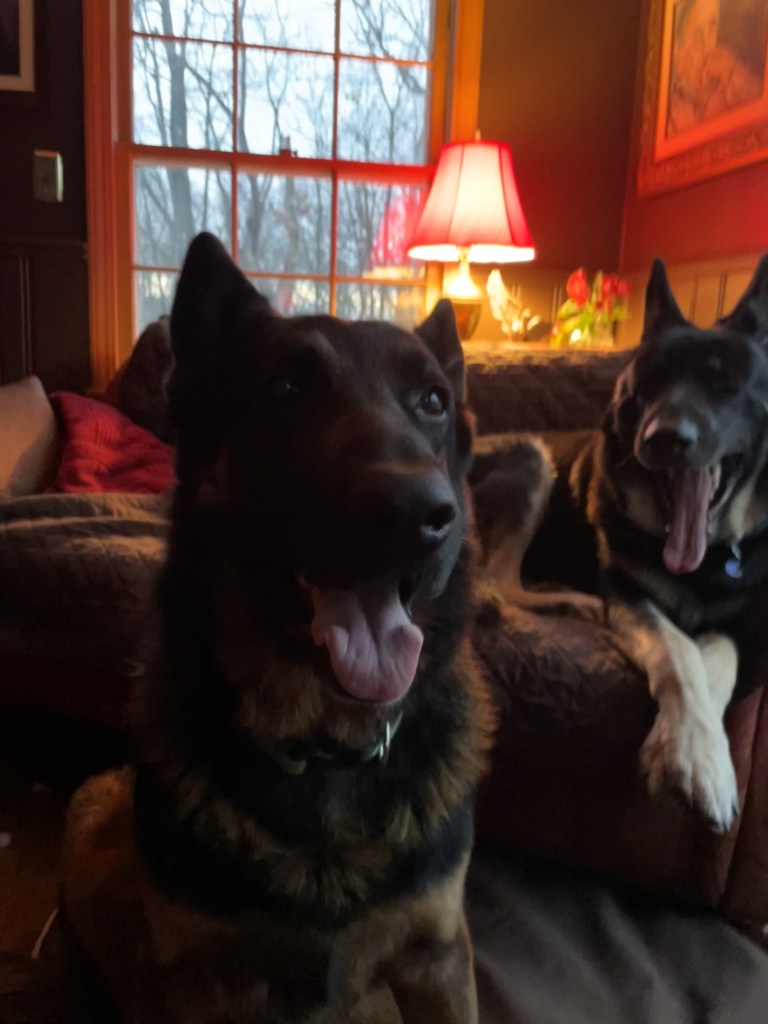
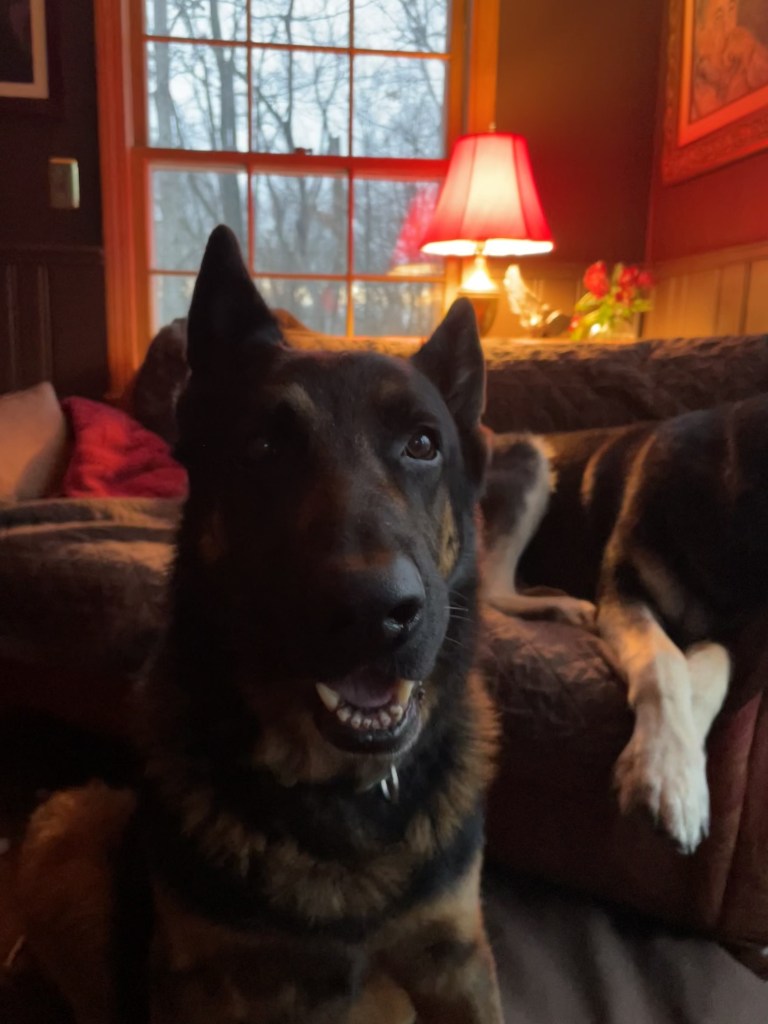
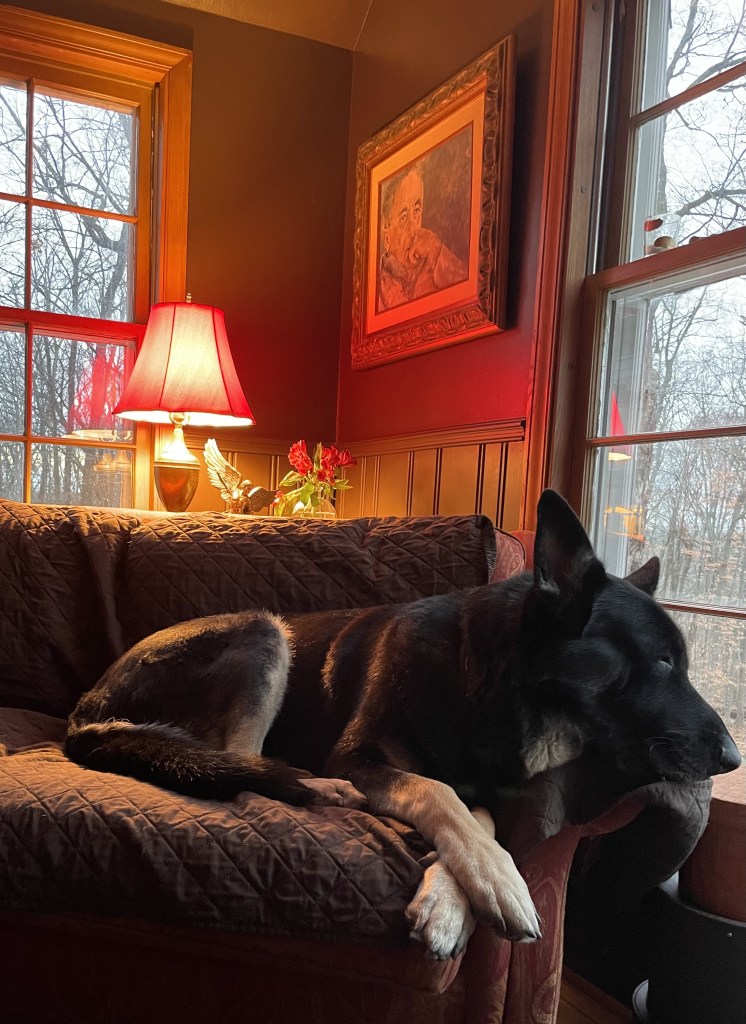
And Now for Your Gratuitous Dog Photos

Everybody yawn.

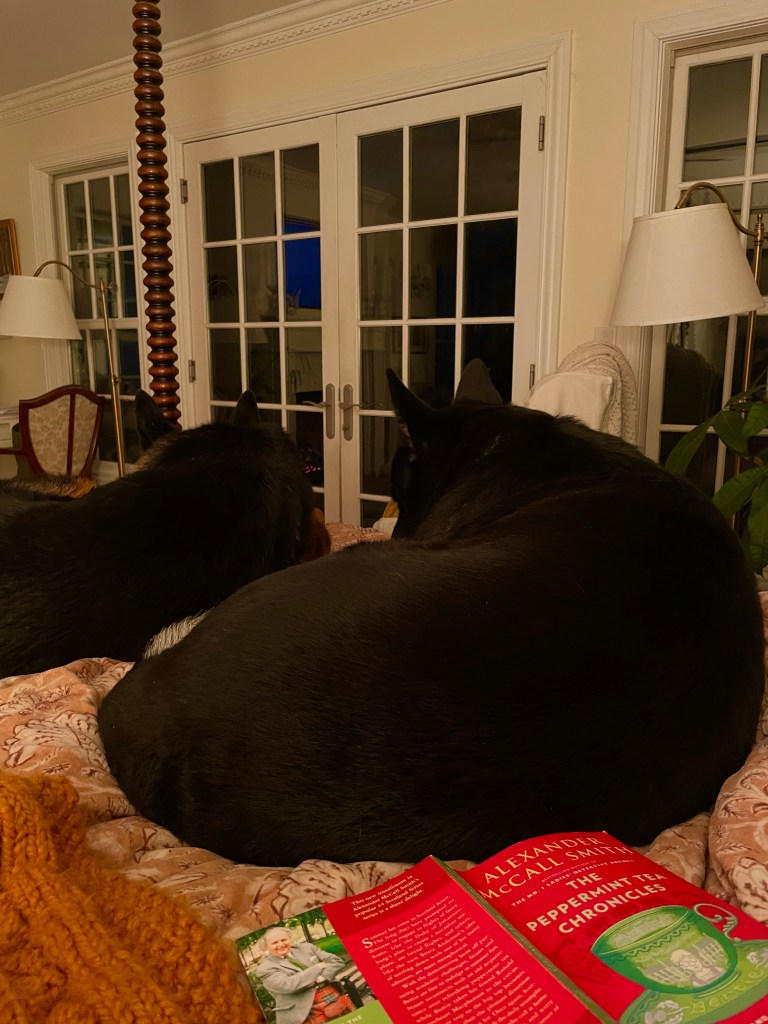
Good night

Dad’s working late tonight, but I have lovely company. Since Auggie’s illness the Germans have grown more affectionate with one another. I see them through the kitchen window as they’re playing together, and it surprises and delights me. They romp and hide and pounce on one another just as Moses and Auggie used to do. I’m not sure what’s different, but maybe dogs share with human beings the appreciation of things almost lost.

We are in bed with a fire in the fireplace and some Irish whisky to go along with a good book. The dogs are not particularly interested in whisky or books, but they do enjoy comfort.

Sweet dreams.

Some Gratuitous Dog photos…

Life is almost back to normal. Auggie’s fur is growing back, and he’s full of spark. He does have one wilting ear, which we think is the result of wearing a cone for a month and accumulating moisture. Back to the vet we go! I’ve suggested to the clinic receptionist that when I call he should respond “Now, what?”

Auggie in a rare quiet moment
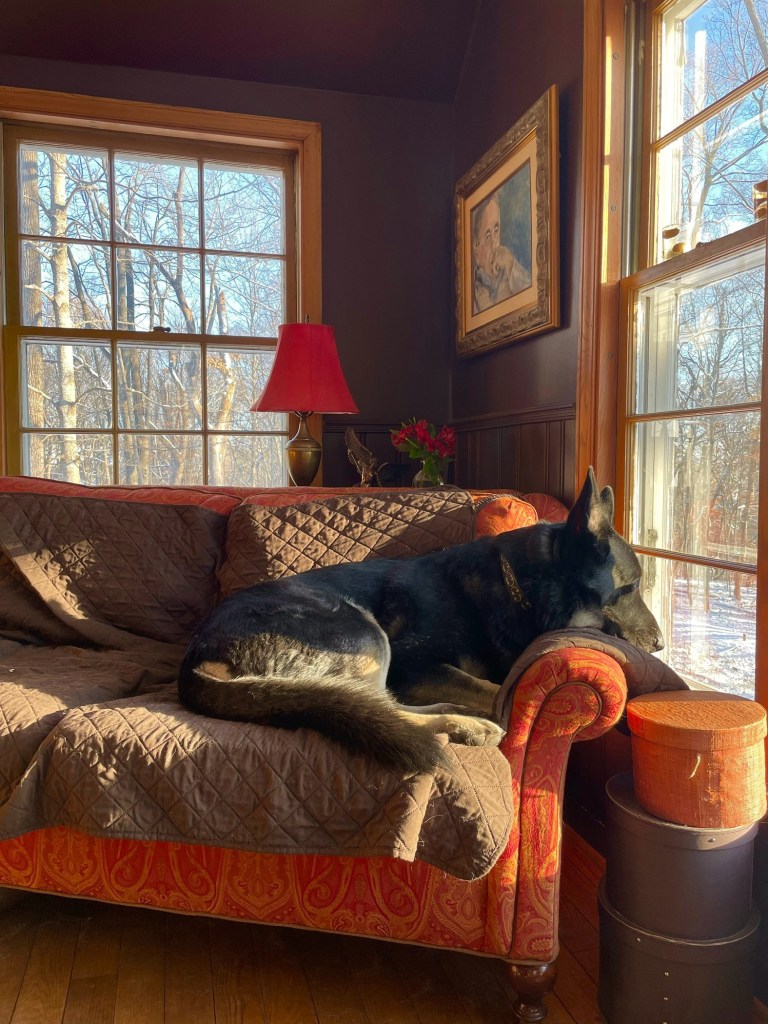
Eli couch-shepherding deer
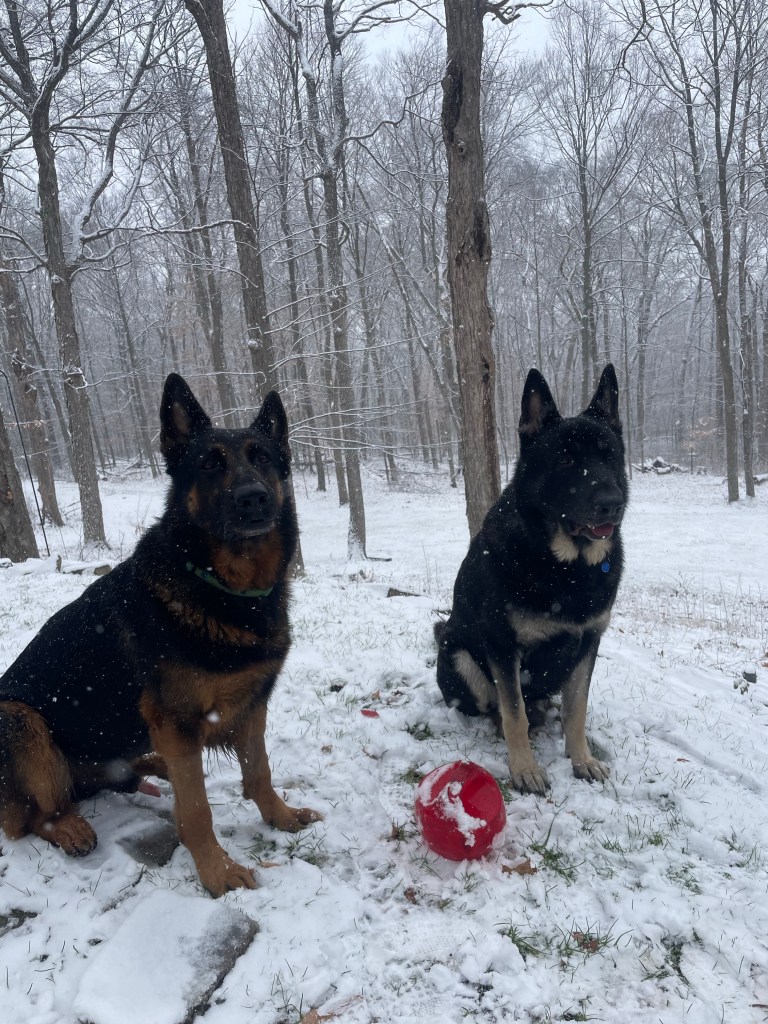
A Mid-romp Pause

Wanderings

A friend and I went to a local greenhouse to make Christmas decorations with greenery and red trimmings in big outdoor pots. It was a lot of fun, and felt like the beginning of something both old and newly sweet. In the spring and summer, the seven greenhouses overflow with plants and flowers, but now everything smells like balsam and spices, and there are poinsettias, and garland, and wreaths, and hanging balls made with evergreens and sparkly things. It struck me sharply how much we need the presence of green things amid the darkness and cold of winter.

The family who own the nursery are fifth generation in the business, and the current manager told us of her great-grandfather who had been buried alive in World War I, and survived in an air pocket, eating the shoelaces of a dead comrade. He came home to his wife who had been told he was dead. Together, they began nurturing growing things, which seems both beautiful and significant.

In my family we have keepsakes: furniture, Persian rugs, silver, an ancient Bible, paintings and photos. And we have common threads, too: a love of learning, of literature and art, a passion for freedom and an expectation of basic decency. But I think about what it must be like to be upholding the family’s work in such a particular way, with all the significance and restrictions, resentments and pride that must come into the mix. All the generations–male and female–were represented at the nursery; they all seemed skilled and cheerful: laughing while disagreeing about the right way to place the boughs in a planter, teasing one another, singing along with the corny Christmas music, putting floral stakes and tape on pine cones and big shiny ornaments, and helping us create the right shape for our arrangements. They worked well together.

As we were leaving, we stopped to look at this old stone building next to the gravel parking lot. It was a poignant reminder of a family’s history.

And I like that.

The Sword of Damocles

Writing bad poetry is a pastime shared with youth and age. I will spare you mine, but intense emotion always draws it out of me, and I hide it as if it were an addiction to drink or pornography. I am so grateful that Auggie is home. And he is back. This is not redundant.

His stitches are out; the cone is off; his obsession with balls is unabated; he is romping nearly at full speed, and he seems to have a new appreciation for home, and bed, and snuggles. He is insatiably hungry; all I do is feed him. I don’t even need to tempt him. He is healing and his body needs to rebuild.

We almost lost him more than once, and we are so grateful to have him back, whole in every meaningful sense of the word, and sound. But he seems to have muted just the smallest bit, noticeable only to those who know him, and suddenly he is no longer young and immortal, but middle-aged and vulnerable like the rest of us.

We took him in for a check-up and sat studying the veterinary wall chart on dog sizes and lifespans. At six, Auggie is now well into middle age, and his life may be more than half over. His family have lived to twelve and fourteen. While that makes me vulnerable to hope, those ages are not common for big dogs, and Auggie is a lean 112 pounds. Mortality lingers in the background for all of us, but dogs have those first sparkling years, and then the slow sadness creeps in too quickly.

I used to scoff at people who said they couldn’t endure the pain of losing another dog. Now, I’m starting to get it.

But meanwhile, here they both are: vibrant, restless, and ready to run. I’d better go.

For Jeff and Sahar

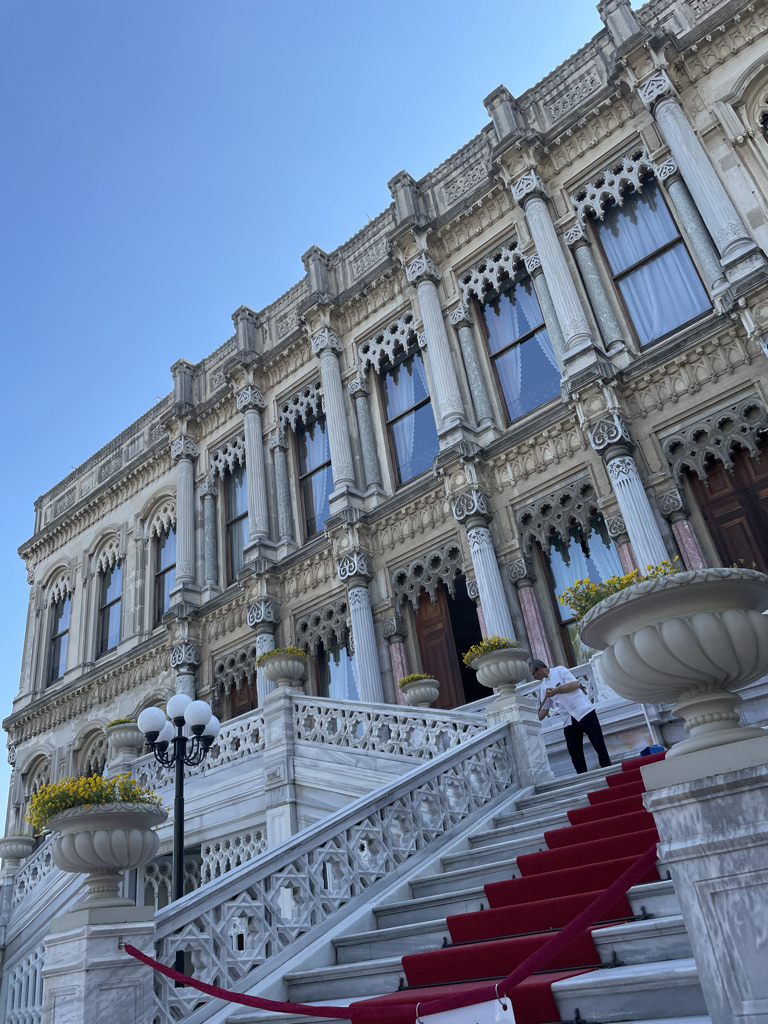
(From my talk as officiant at their wedding in Istanbul)

Anyone can fall in love. And most of us who have been married will acknowledge that it helps if love is the first requirement. The ancient vows that Sahar and Jeff are about to make confirm it: We promise first “to love”.

But, as we here make a commitment to support Sahar and Jeff in their marriage, we understand that love is not enough. I want to say “mere” love, although that would be at odds with every philosophy and theology in the world. But love can be a fleeting emotion. That’s why when we experience real love, most civilizations suggest that we add something more. We want to vow that our commitment is forever, and that we mean more than only how we feel.

Love, Honor, Comfort, and Keep. They are ancient poetic words, and they bear testament to an essential truth: Marriage is hard.

It would seem at first thought that in the commitment that they are making today, the challenges Sahar and Jeff face will be accelerated by their different cultural heritages. But this is only a detail. Because in many ways every marriage is a melding of cultures…of family…of values…of male and female. 

Our work, as married people, is to accept the alien nature of the other. And, come to think of it, isn’t that the work of us all?

Because the fundamental requirements of all human relationships are those we practice first at home, and so, the relationship of husband and wife reflects our relationship with the whole world. That is not a coincidence.

We start with the imperative to love, with all that it entails, but there are also these other requirements: 

Honor.

Comfort.

Keep.

Together, they form a hierarchy, with each of these actions dependent upon the other. 

Honoring…it means we don’t hold one another in contempt…that our familiarity breeds, instead, respect, and generosity, and patience, and understanding. 

And we cannot comfort without honoring, because offering comfort requires an essential respect of our beloved’s individual humanity and need.

Comfort requires, too, understanding the value of offering not what we need, but what someone else needs—which is almost never the same thing.

Comfort is an act of solidarity, but also an act of empathy: a moving out of ourselves and our needs, and into the needs of someone else.

If I need solitude, maybe I need to understand that at the same moment my partner needs affection. And the efforts we make to frame the world based on someone else’s needs is key part of marriage, and, indeed, of any relationship.

And “keep”. What does that mean? We keep watch; we keep time; we keep chickens.

But to keep one another….

It’s vigilance, isn’t it. It means we hold one another in esteem, with honor. We comfort. We pay attention. Sometimes at cost to ourselves and our pressing priorities. But…it also means to give shelter. We smoothe paths…we encourage… we understand foibles…we attempt to care, not just for physical, but for emotional requirements. 

Come to think of it, it is a bit like chickens.

We nurture.

We protect.

We keep.

Which brings us back to love. These vows are all encompassed in the act of loving; they are the recipe for all human relationships: To Love, Honor, Comfort, and Keep. 

It is more than a philosophy. It is an action; an endeavor; our daily work. And it is a challenge. 

A healthy marriage—the keeping of these vows—requires fierce dedication, determination, and commitment, all entered into in the endeavor of love.

Sometimes blindly, sometimes fervently.  But deliberately, reverently, joyfully, and not just with our whole hearts, but with every fiber of our beings. 

**

Detox

The house we rented in Maine is very old and very large. It has history. Perched on a small hill above the lake, it has sprawling porches, front and back, and lovely views. There’s a spacious kitchen, a laundry room, and five roomy bedrooms with four baths. There’s a massive stone fireplace in the living room. But it does not have wi-fi, and the cell signal is only one elusive bar, which seems to flit from room to room like a butterfly, and then disappear.

It has been a long time since I have left my phone sitting on the night stand, turned off, and walked away for the day. I feel released from electronic bondage. The impulse, in an idle moment, to look down at the phone is gradually being replaced by a willingness to look up, to think, to let my brain idle. That’s how writing happens. 

I had become increasingly aware of the way my phone had taken over my life. I am continually scrolling through my messages. There’s not a scene that passes before my eyes that doesn’t make me reach for the camera. There’s not a drive that isn’t accompanied by a podcast. 
It’s too much. It’s too many voices. It’s too much externality. And none of those things are good for a writer.

This week I wrote in the mornings. I hung around with my family. We did a complicated puzzle. I sat on the dock and dangled my feet, and thought about things. I jumped into the cold lake. I cuddled children. I drank cocktails. I went to bed with a book. 

It was a kind of detox, and it has put me on the path to getting my brain back. 

The temptations to return to my old habits will be strong, and I imagine there will be a gradual regression toward over-use. But I have a plan to keep it in check, and at the moment, it doesn’t even seem appealing to go back to my old ways. 

But addiction is hard. We’ll see.